
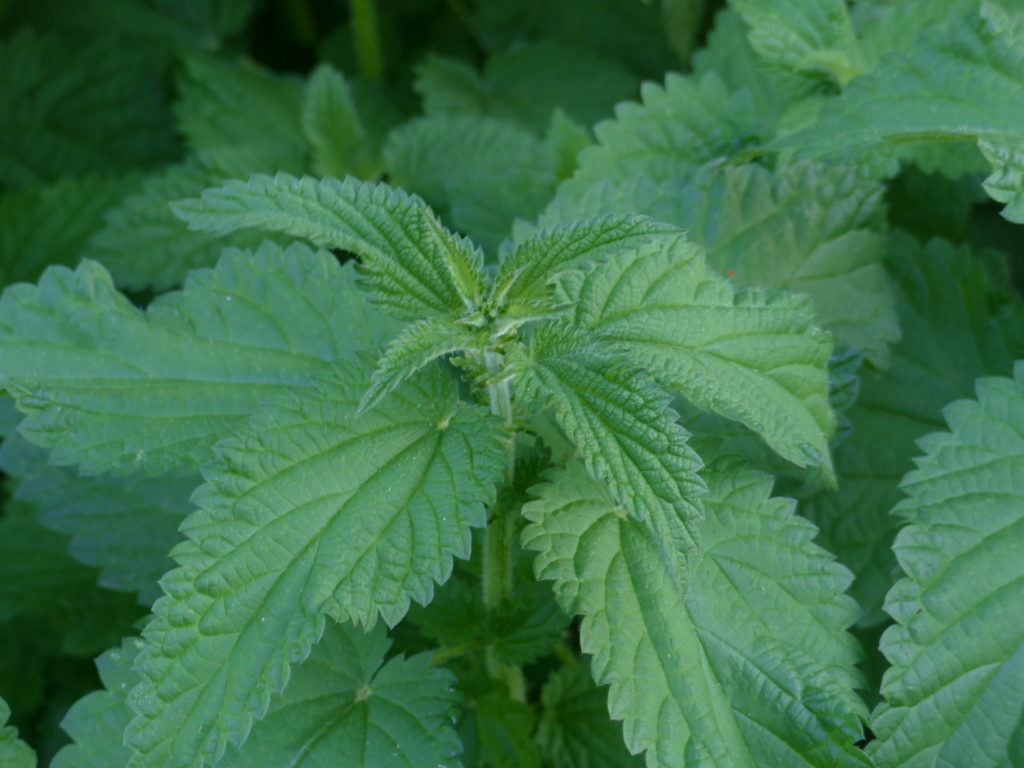
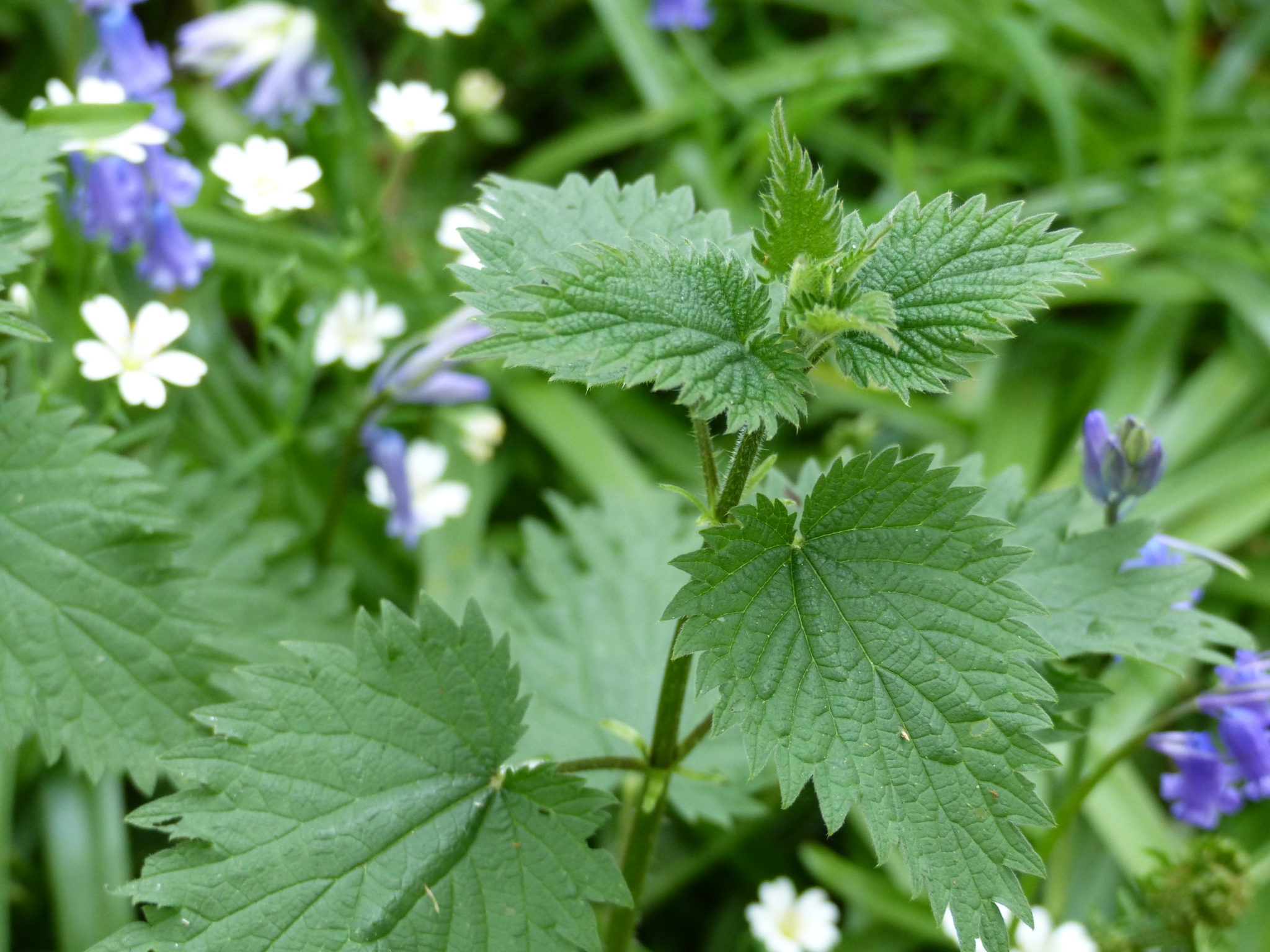
Urtica dioica & Urtica urens
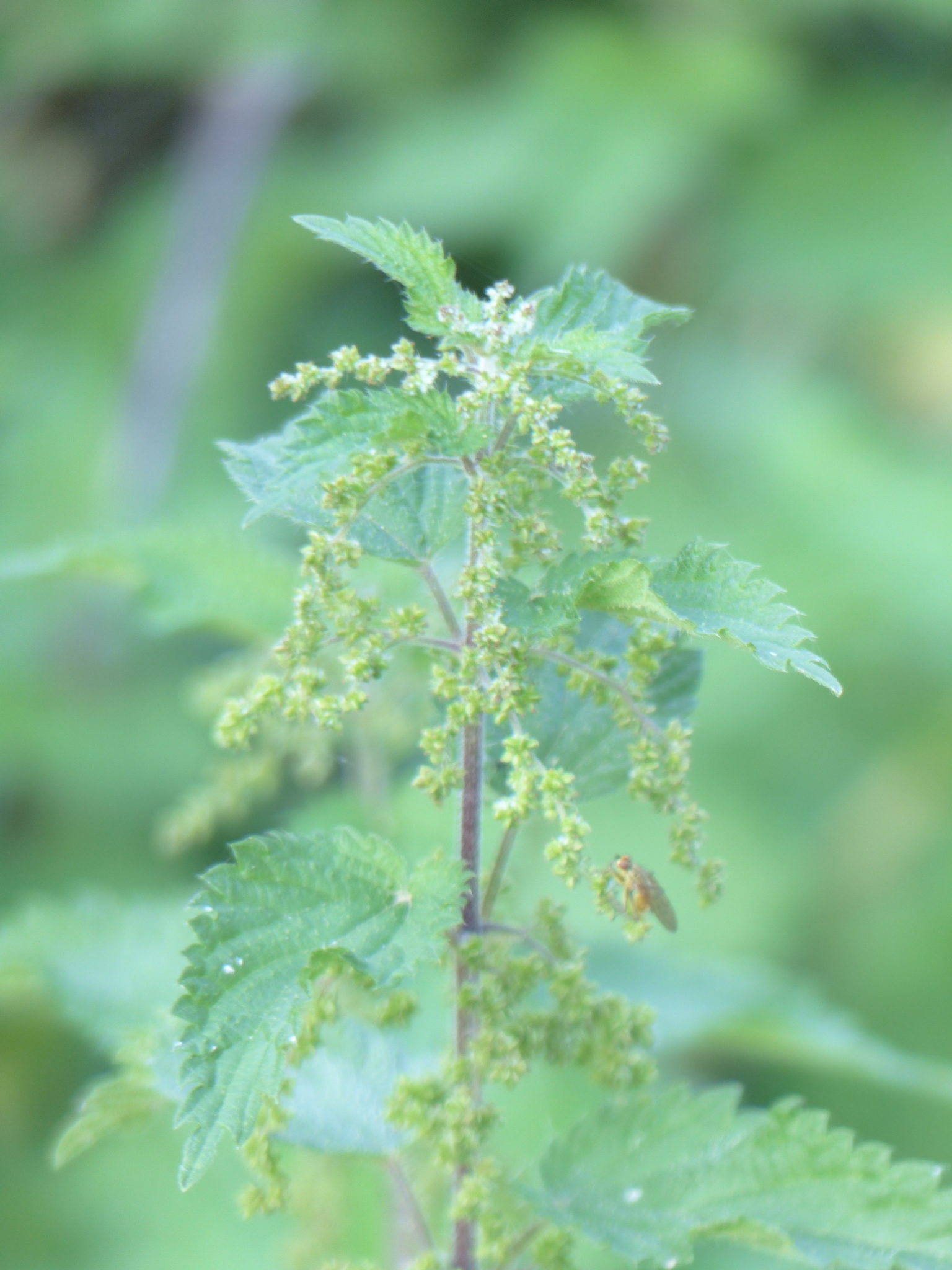
- Are single sexed plants – the flowers will either be male or female on the whole plant, rather than a mix as seen on some plants, such as hazel.
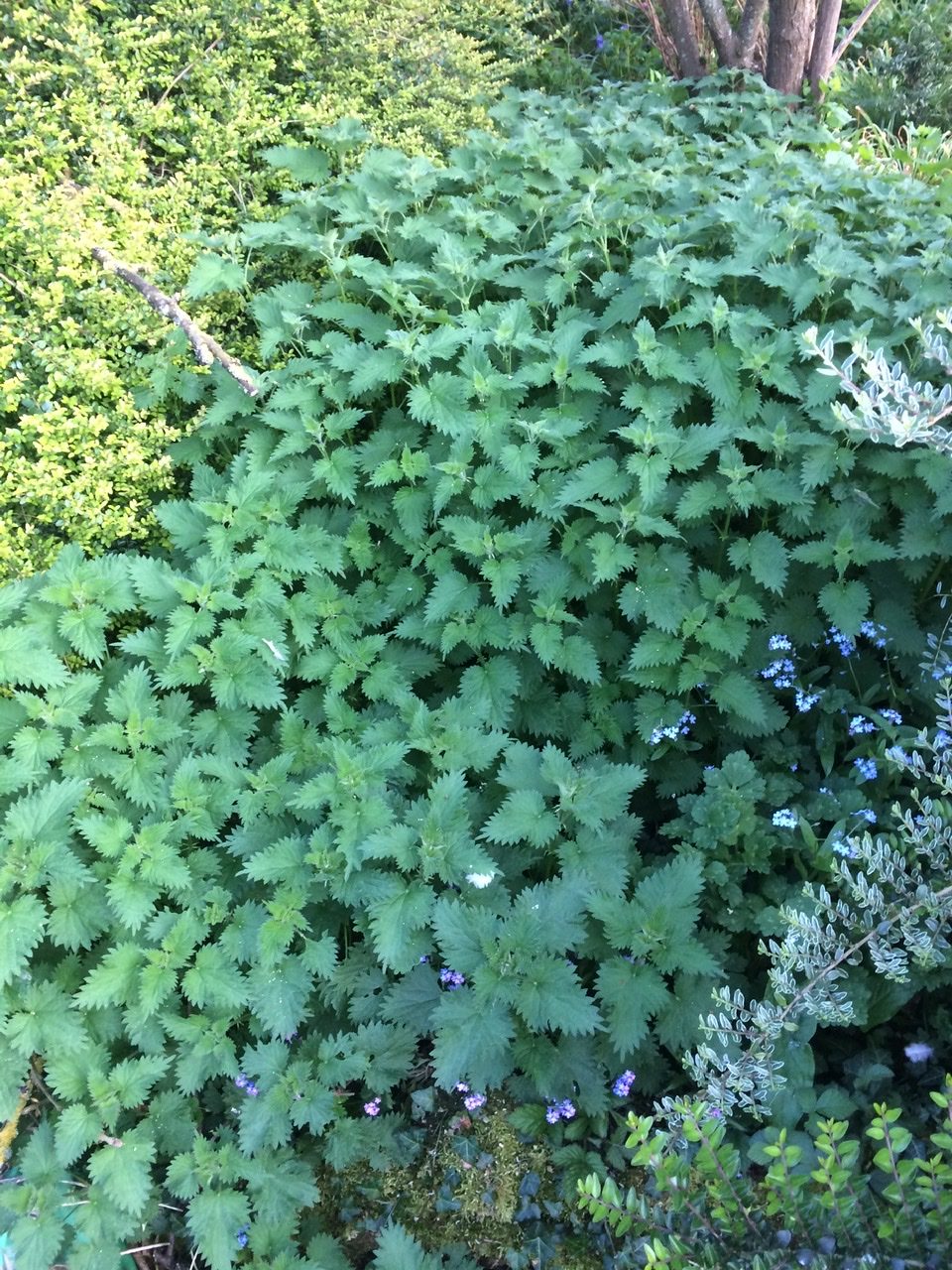
- They like to grow on high nutrient, recently disturbed soil, so an old compost heap is an ideal place for them.
- They are a good source of food and habitat for butterflies, the caterpillars of the Small Tortoiseshell and Peacock butterflies eat them readily, ladybirds feast on the aphids that shelter on their leaves and stems, and birds eat the seeds in the autumn.
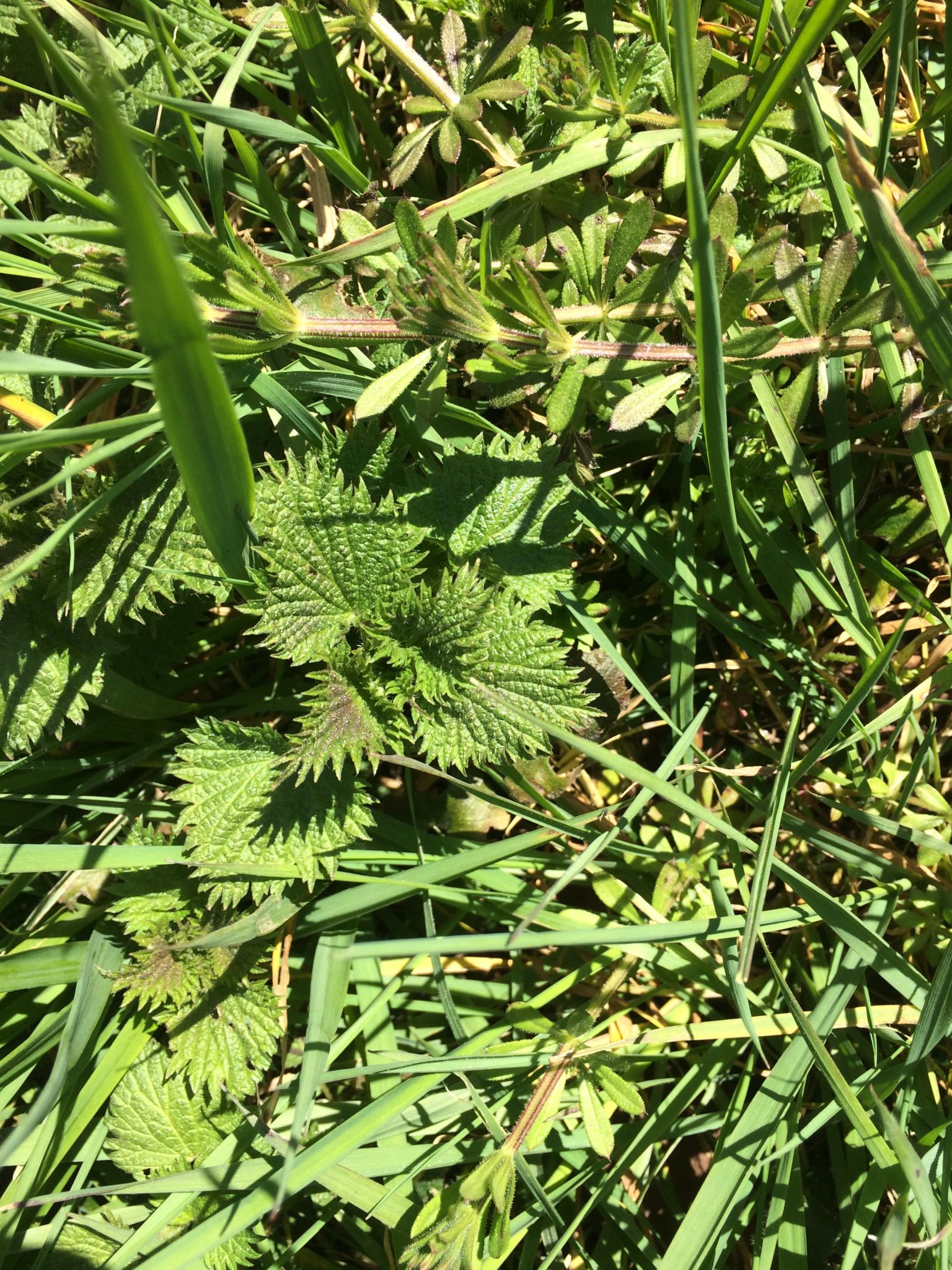
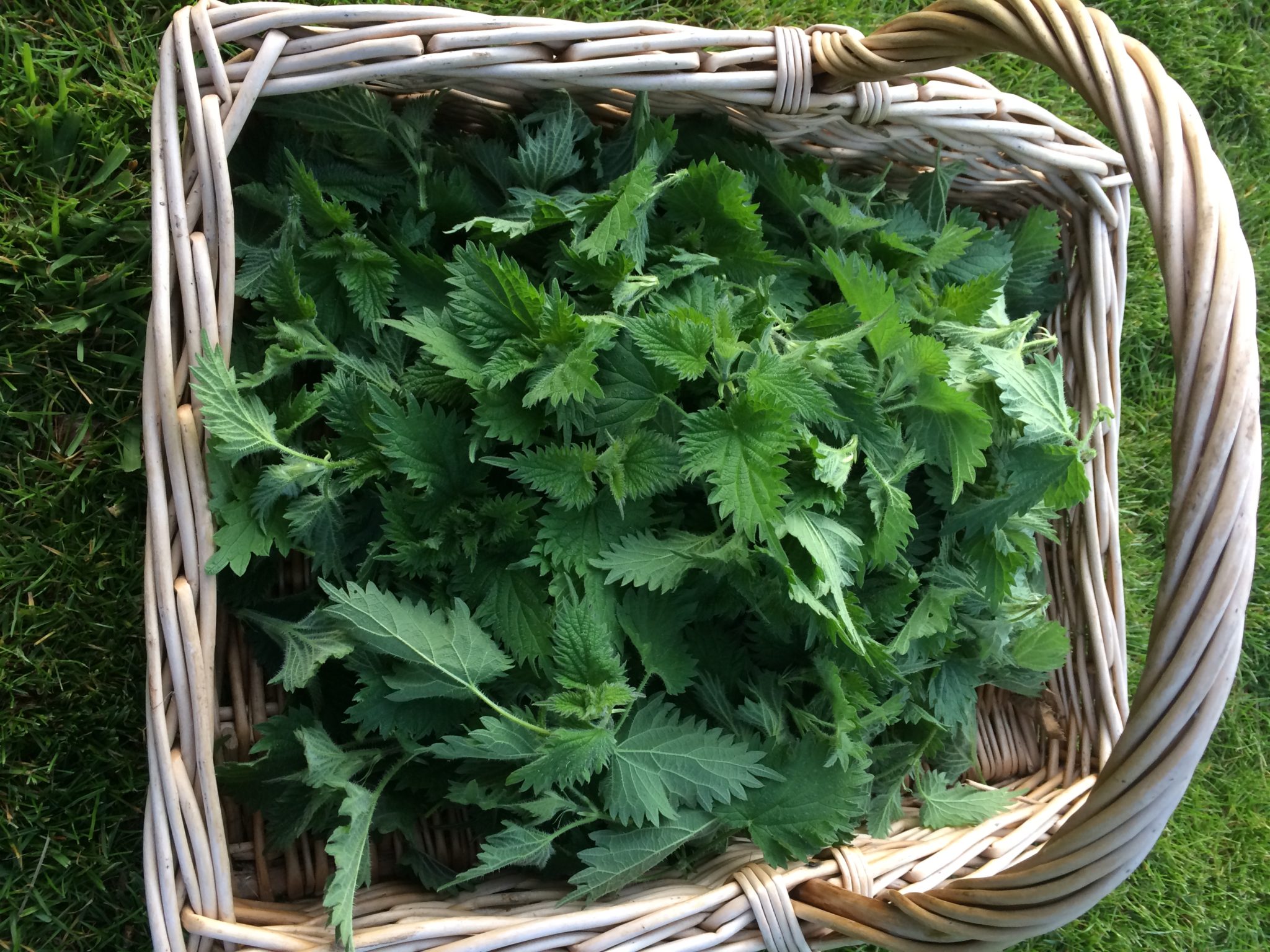
- Not only good for wildlife they are great for the bushcrafter too. Processed the stems make a good cordage (see our blog on how to do this), the leaves can be brewed into a tea which is said to have antihistamine properties, the new leaves can be wilted and cooked like spinach, I had a fabulous bright green nettle based soup for lunch today.
- Our recipe for nettle mash is here, and nettle pasta here.
- Nettles are also used to make dye and fabric, in 1915 the German army uniform was made using 85% nettle fibres!


Spring Foraging Day
£110
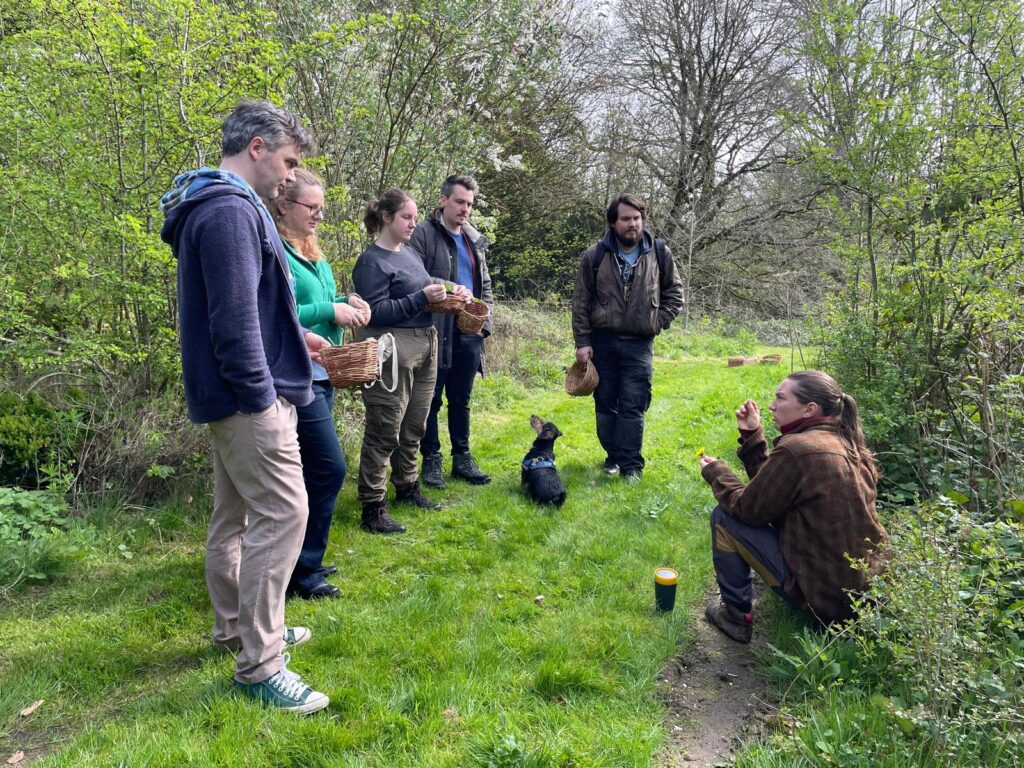
Learn to identify and cook seasonal wild foods. Our instructors will take you on a stroll where we will identify and gather a range of different plants. In the afternoon you’ll cook up a delightful celebratory meal.

Late Spring Foraging Day
£110
Our highly knowledgeable instructors will share with you the history and folklore of a broad range of edible and medicinal plants. In the afternoon the group comes together to prepare and cook the foraged plants and enjoy a tasty two course meal.

Autumn Foraging Day
£110
Learn to identify and cook seasonal wild foods. Our instructors will take you on a stroll to gather our plants in the afternoon you’ll cook up a delightful celebratory meal.