Common Ivy
Hedera helix

Edible Parts: None
Height: up to 30m
Habitat: Widespread across Europe prefers alkaline soils.
Family: Araliaceae (Ginseng or Ivy)
Flowering Season: Autumn
Ivy
Hedera helix
Edible Parts: None
Height: up to 30m
Habitat: Widespread across Europe prefers alkaline soils.
Family: Araliaceae (Ginseng or Ivy)
Flowering Season: Autumn
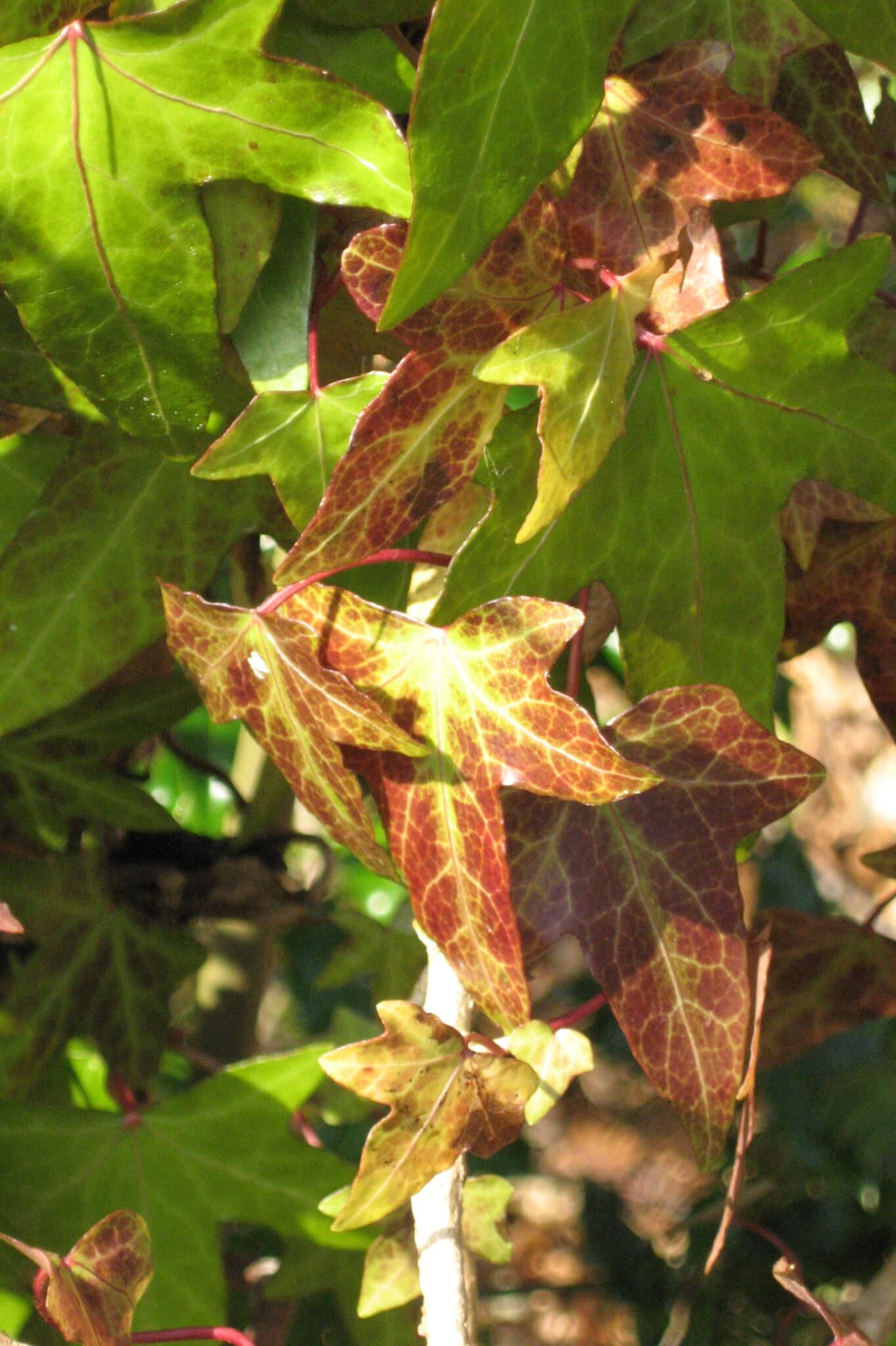
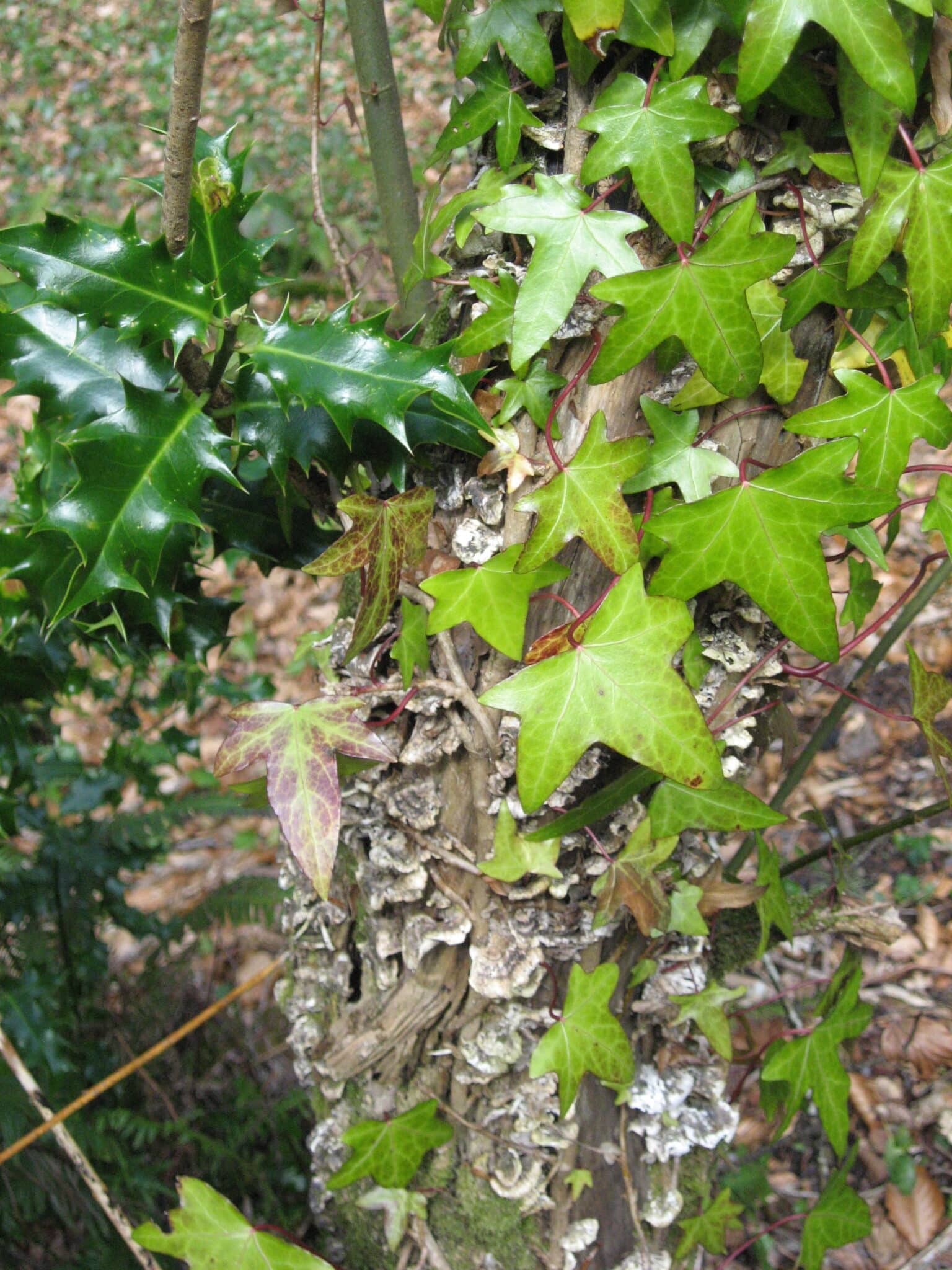
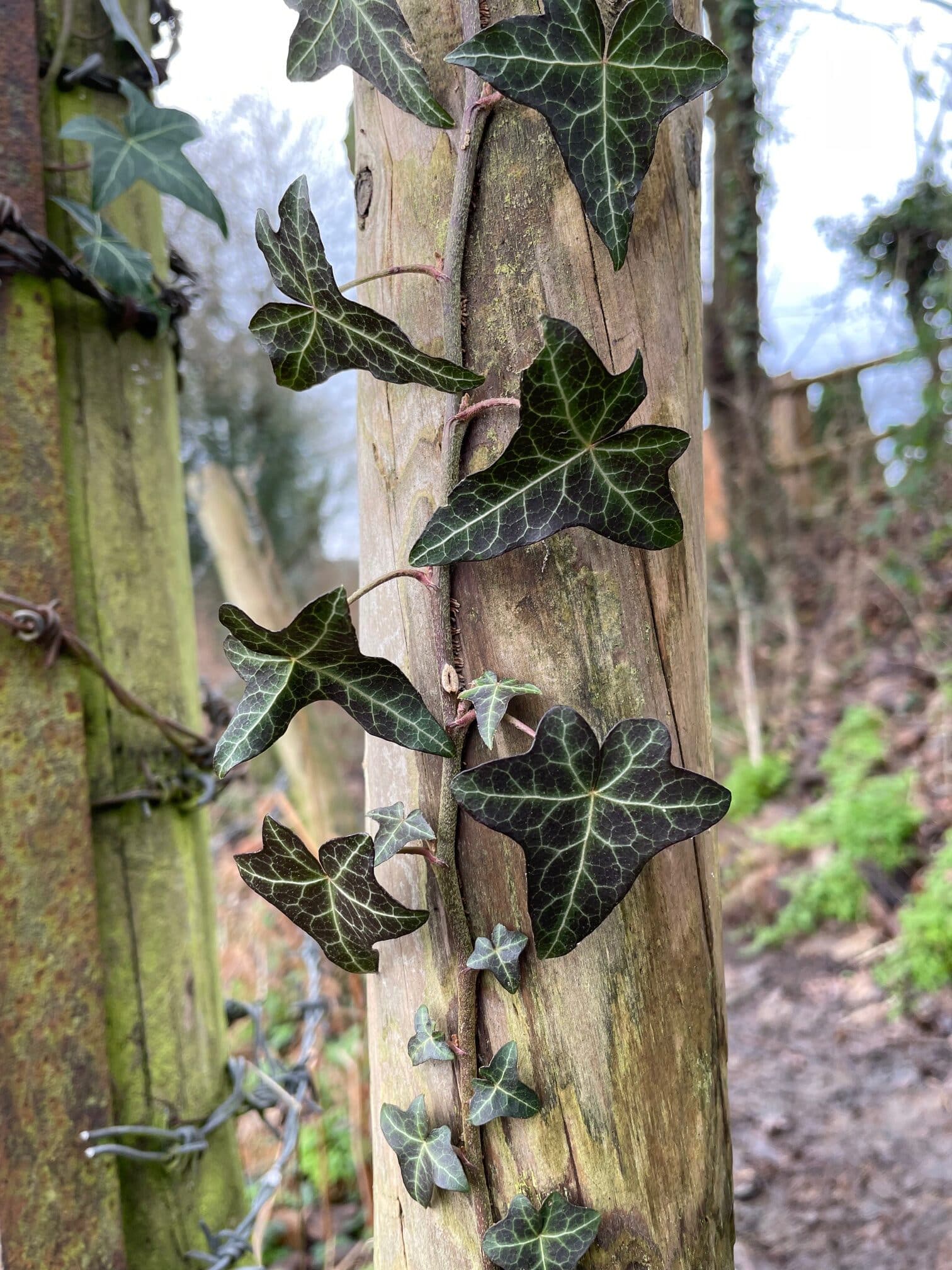
ID features: Self supporting climber. Immature leaves with three or five lobed waxy evergreen leaves and paler veins though the leaf. Leaves have long stems. Older mature plants have a bushy branching quality with oval unlobed leaves, and flowers and fruit. immature stems will often trail along the ground as well especially in dense woodland.
Confusion Species:
Other ivy species and cultivated subspecies these are often variegated or have much larger more ornate leaves.
Uses:
The wood of ivy is quite soft and easy to carve, it makes a good base board for hand drill.
The leaves of ivy contain sapions and can be used to make a liquid soap. Tara Crank describes this brilliantly in the Bushcraft & Surivial Magazine issue number 87.
Ivy can be used for natural navigation - its inital climing tendrils tending to avoid the sunslight. Its mature flowering branches growing towards them.
Did you know?
Its late flowers are an important nectar source for a huge range of insects including the holly blue butterfly which has adapted to have two life cycles each year using both the holly and the ivy flowers.
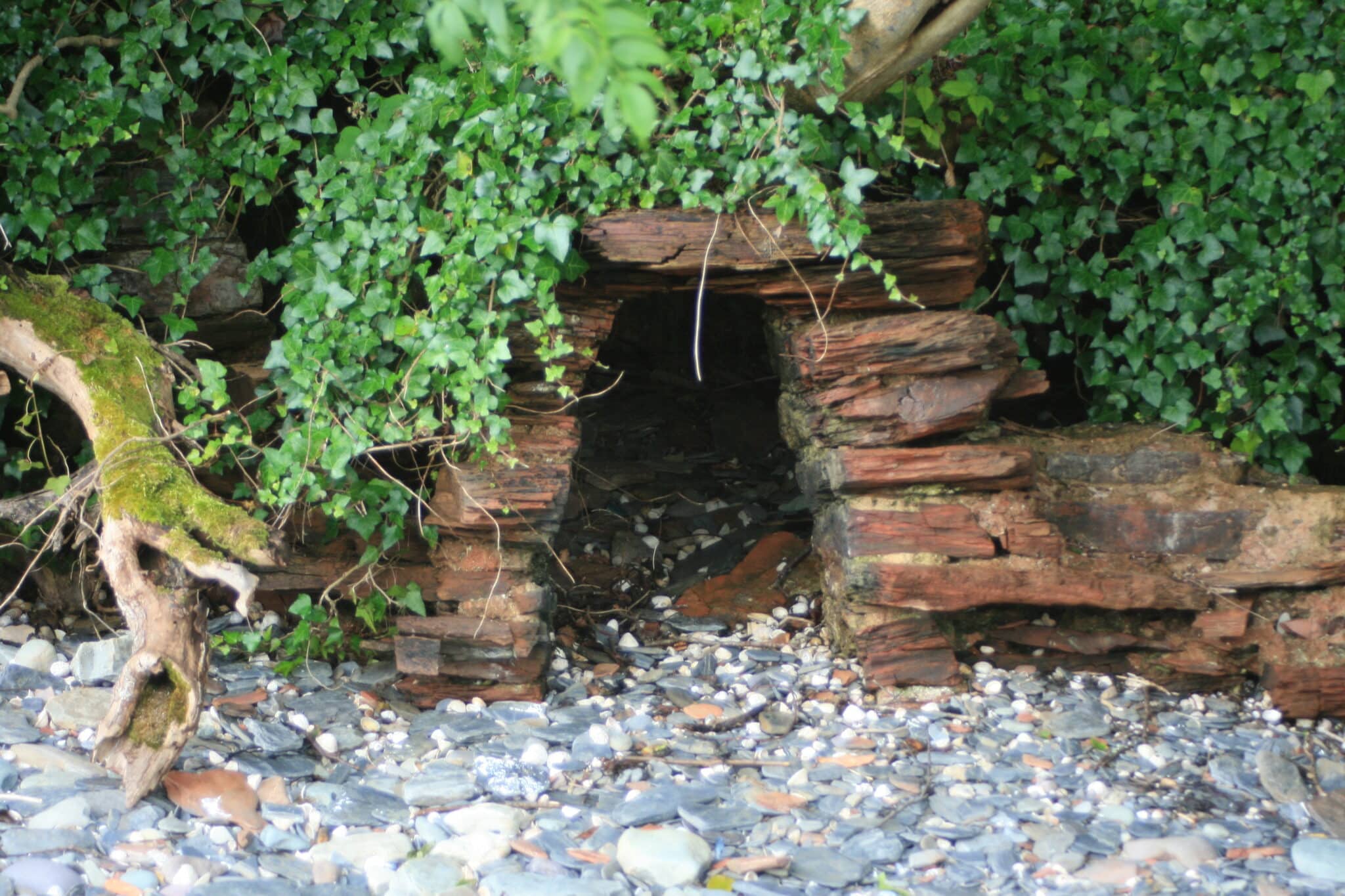
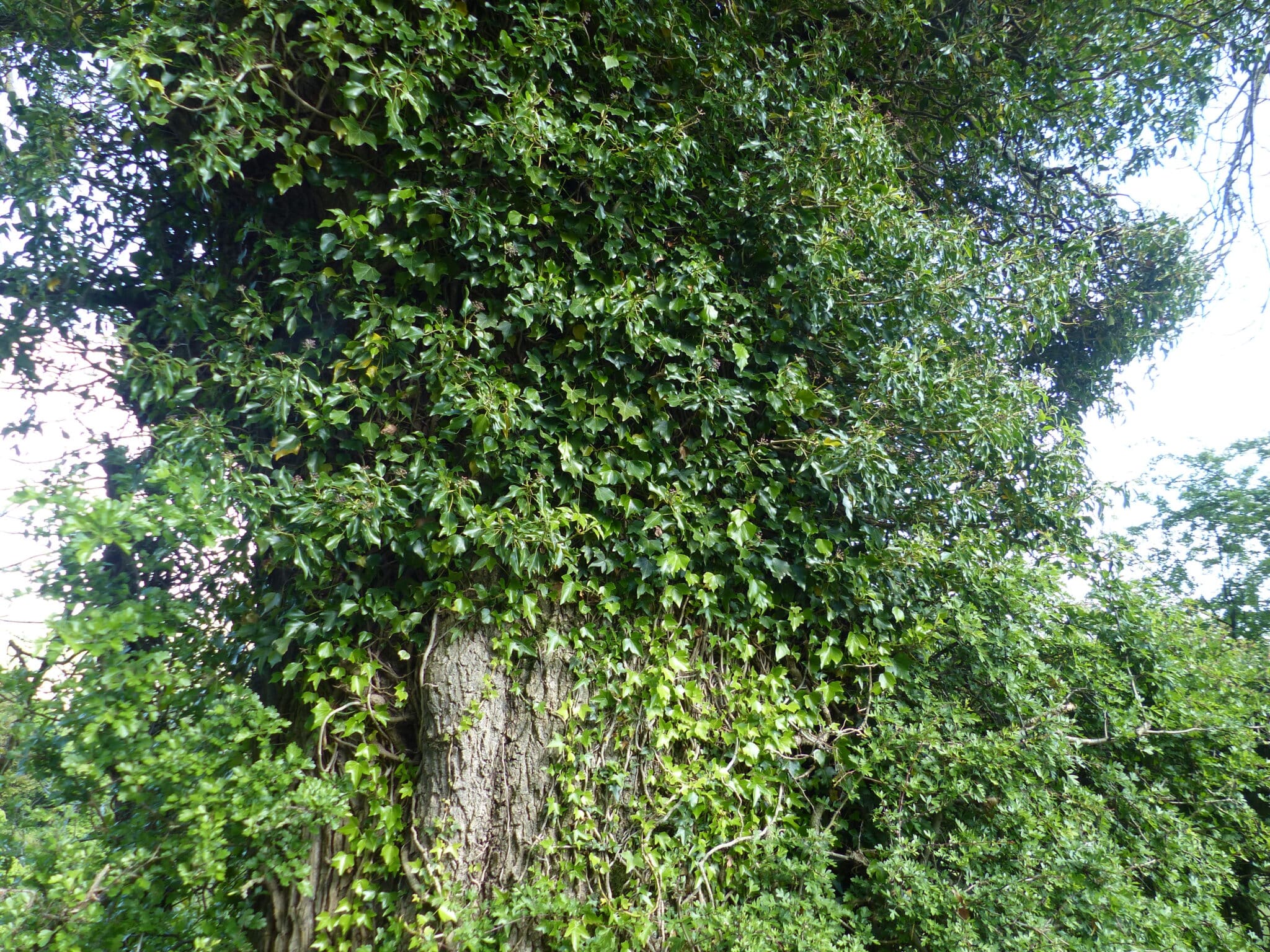
Ivy when it climbs up trees is often blamed for their collapse in the winter as it creates a bigger sail than a tree with no leaves on. It is therefore often removed from forestry areas. Its ability to coat the bark of trees in leaves and nooks and crannies however creates a vast array of protection for a huge range of animals from small invertebrates to rodents and bats as well as wrens and other nesting birds. These animals bring their own array of predators to the area as well.
300 species of animal are supported by ivy.
Once ivy reaches maturity it changes growing habits, branching out and reaching towards the light. Its leaves become more oval or diamond shaped and less lobed. It is at this stage when ivy produces its flowers and fruits.
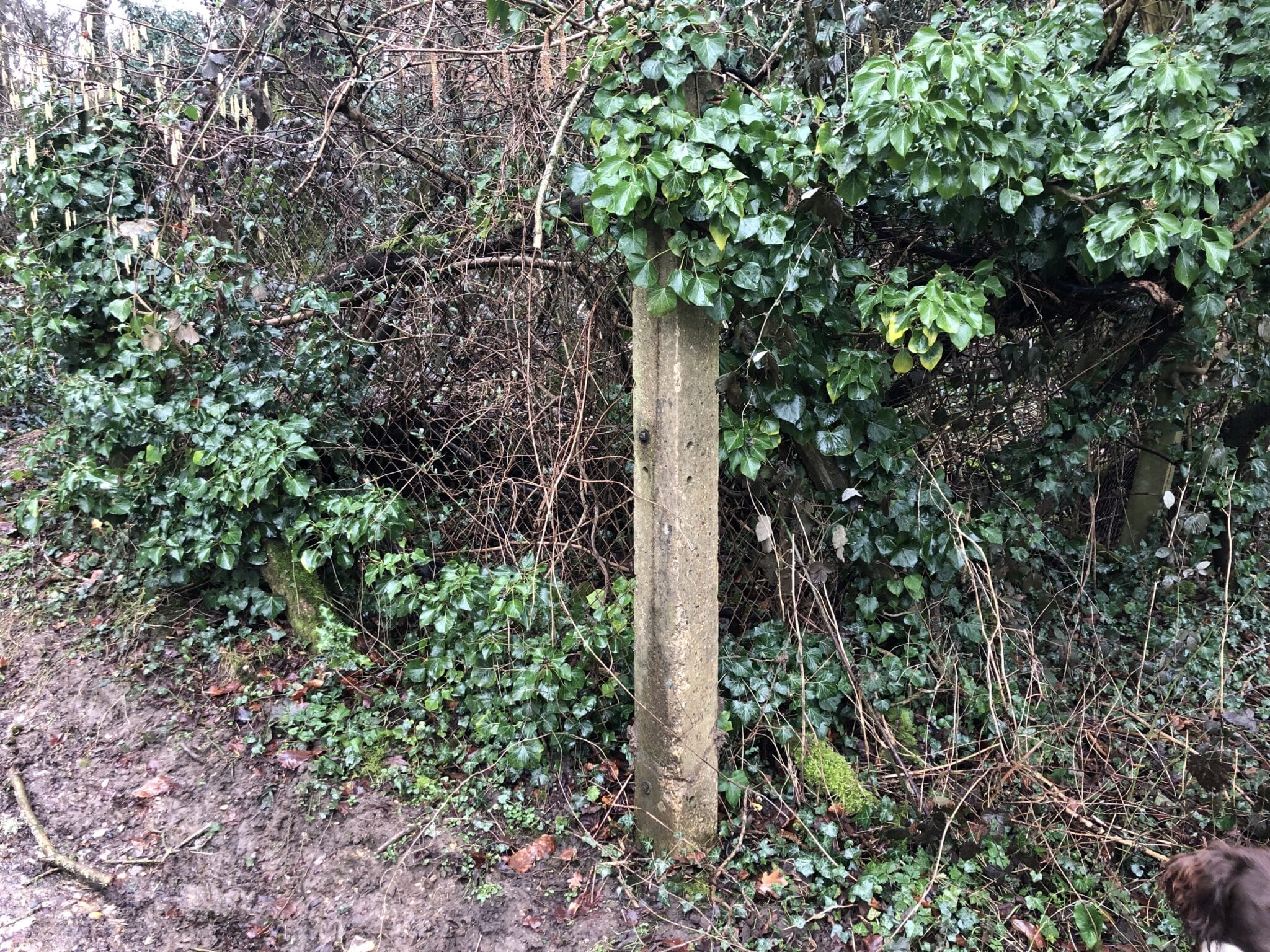
Ivy has aerial roots which enable it to grasp onto surfaces, when it finds a crack it will lignify these, thickening them and jamming them into space like a climber might do with a fist to hold on.
Ivy is not parasitic to trees.
The sapiens in ivy can cause skin irritation when it is handled.