Holly
Ilex aquifolium

Edible Parts: None
Height: Up to 23m
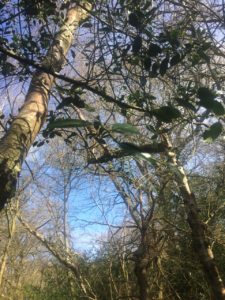
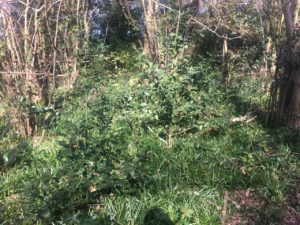
Habitat: Can grow in any soil and is very shade tolerant.
Family: Aquifoliaceae (holly)
Seasons: Perennial Flowers: June - August Berries: - Sept - March
Holly
Ilex aquifolium
Edible Parts: None
Height: Up to 23m
Habitat: Can grow in any soil and is very shade tolerant.
Family: Aquifoliaceae (holly)
Seasons: Perennial Flowers: June - August Berries: - Sept - March
ID features:
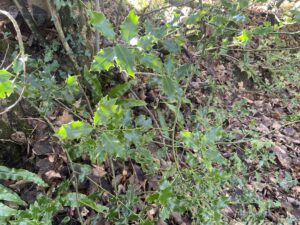
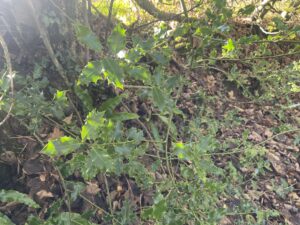
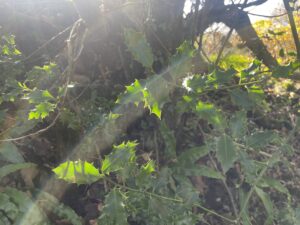
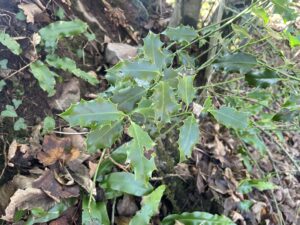
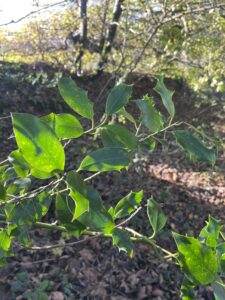
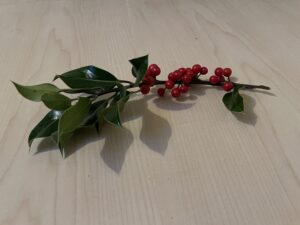
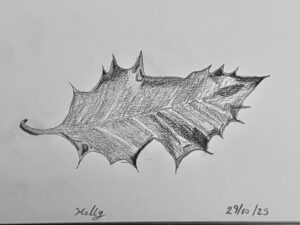
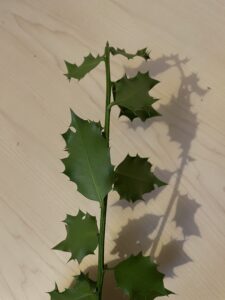
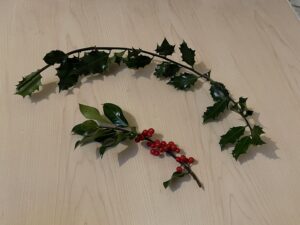
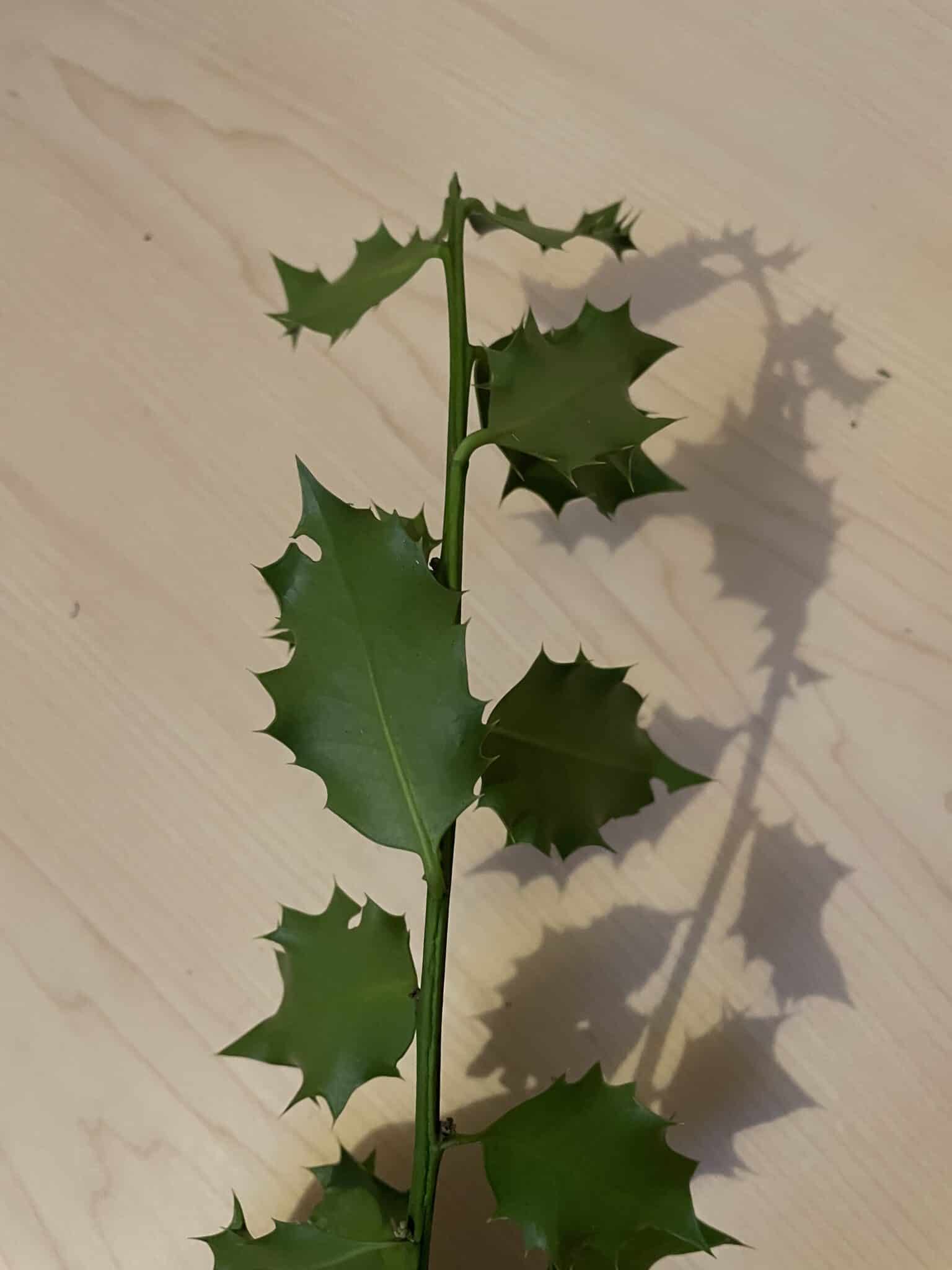
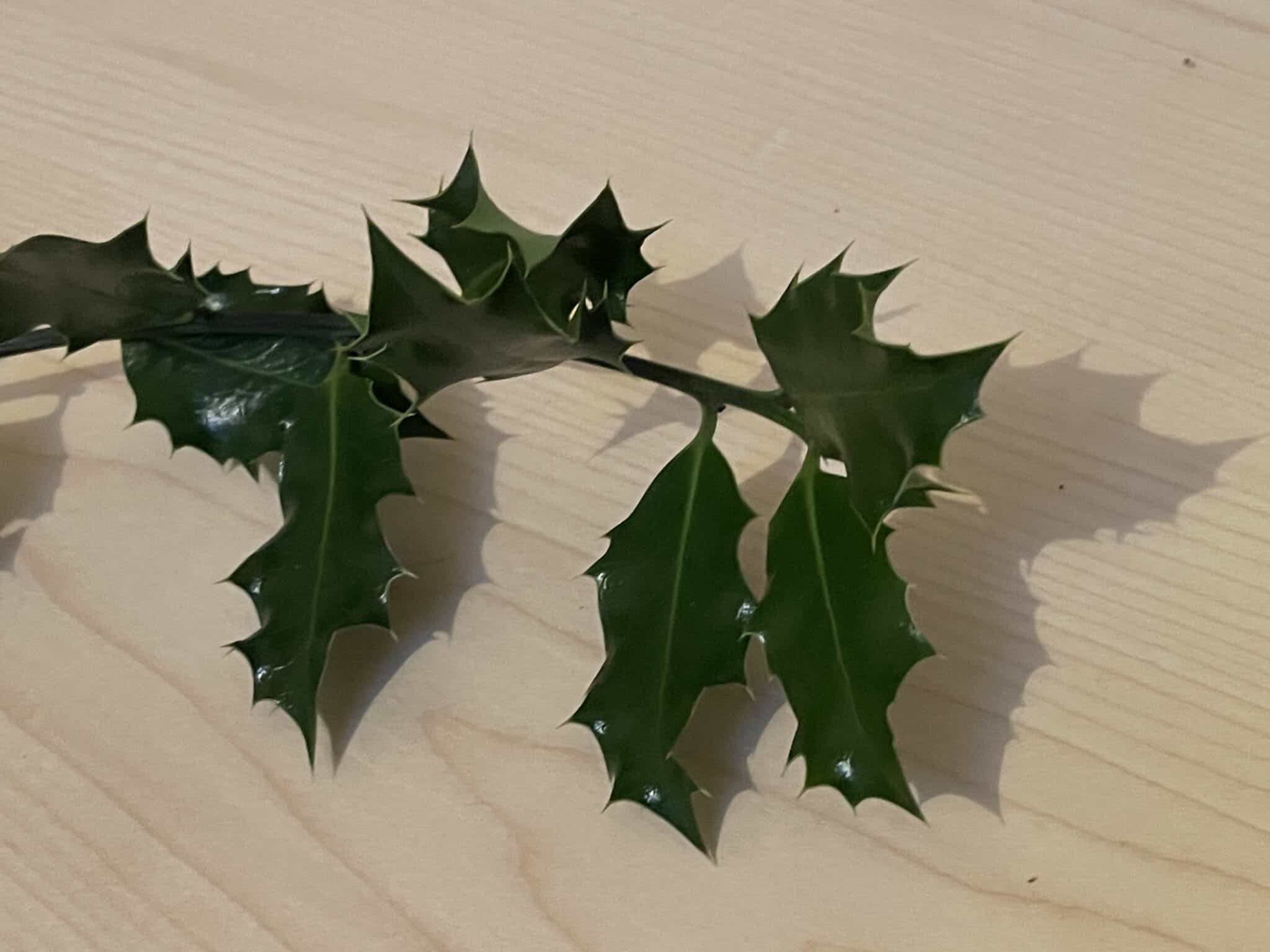
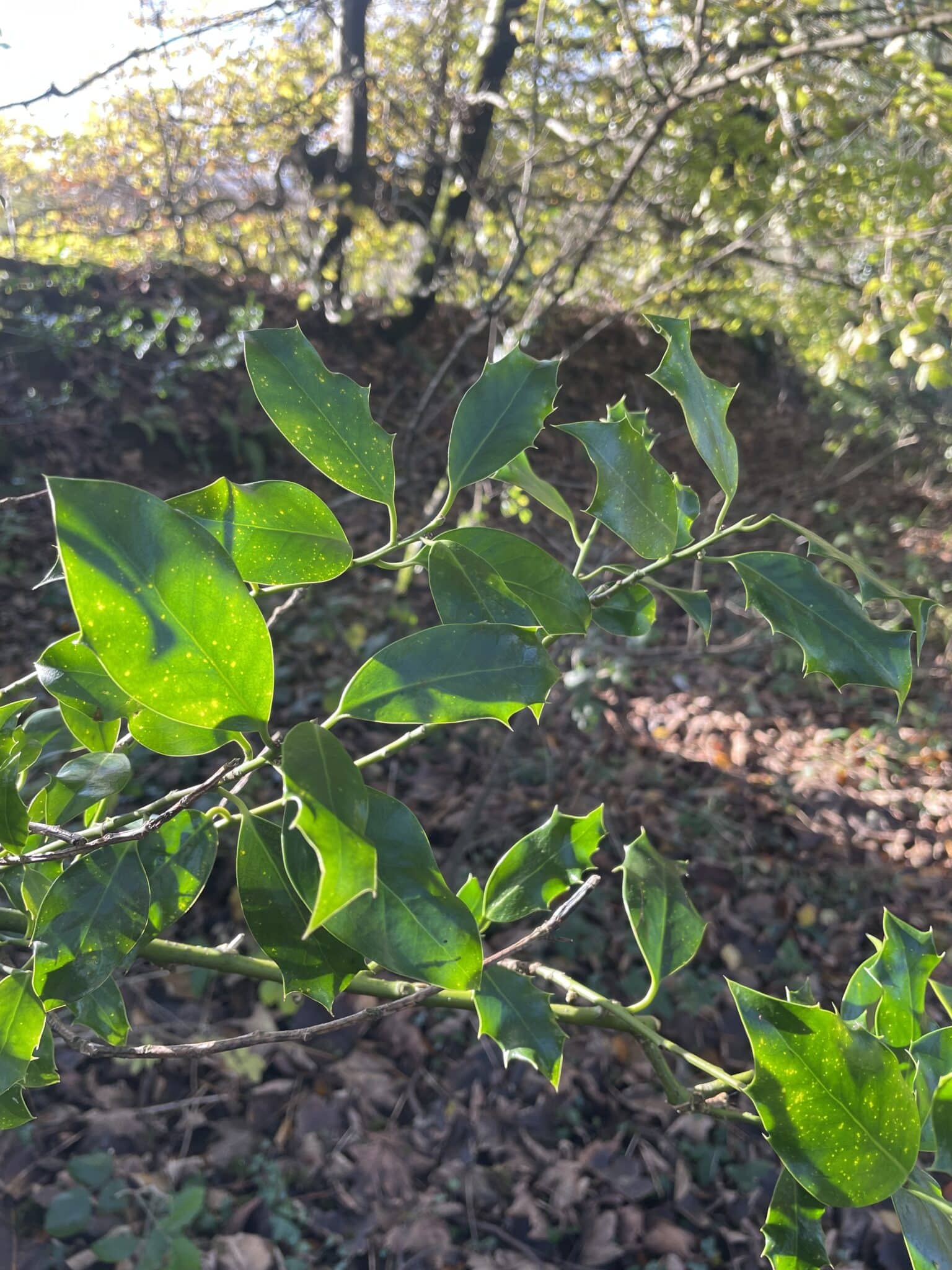
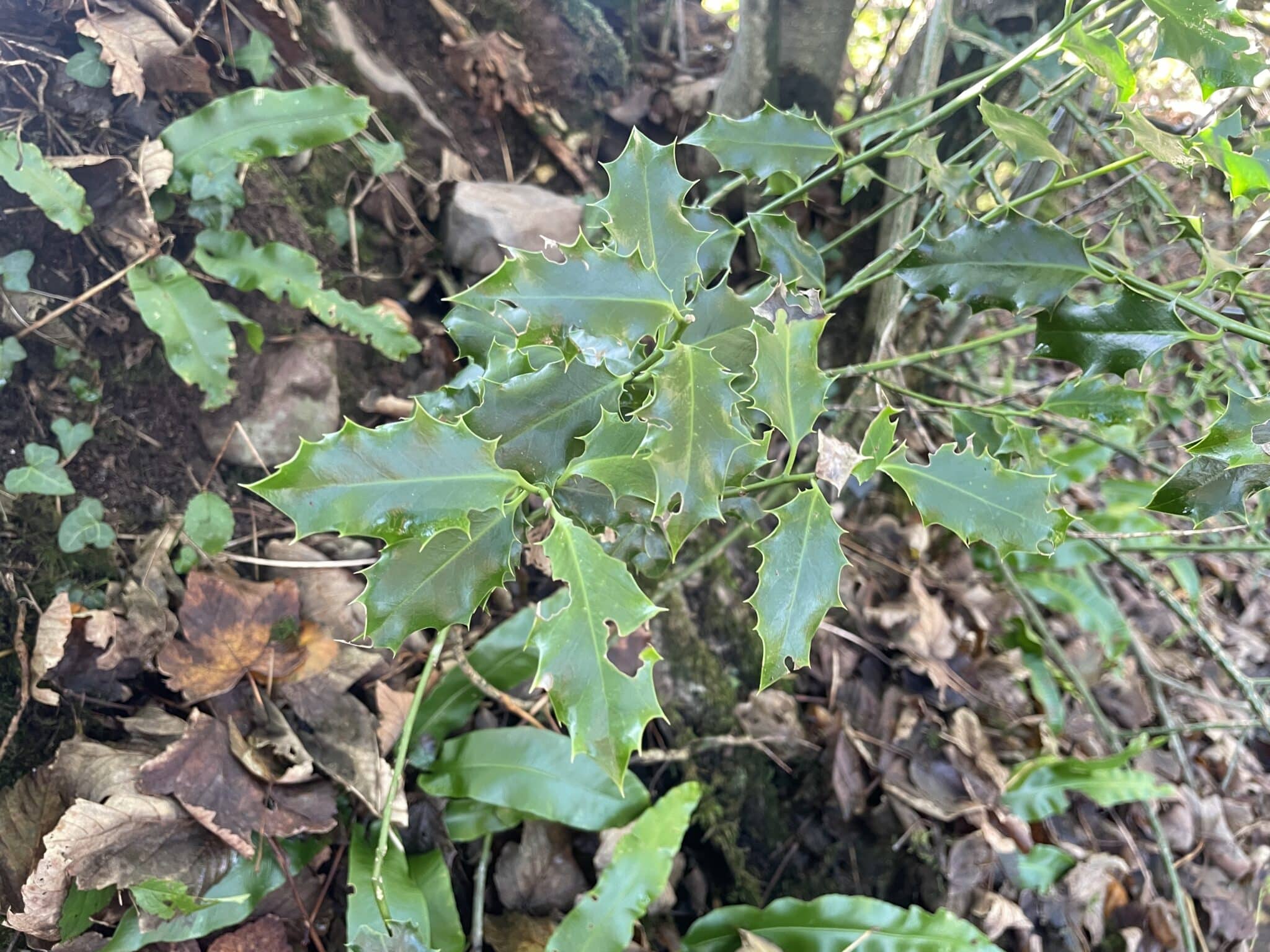
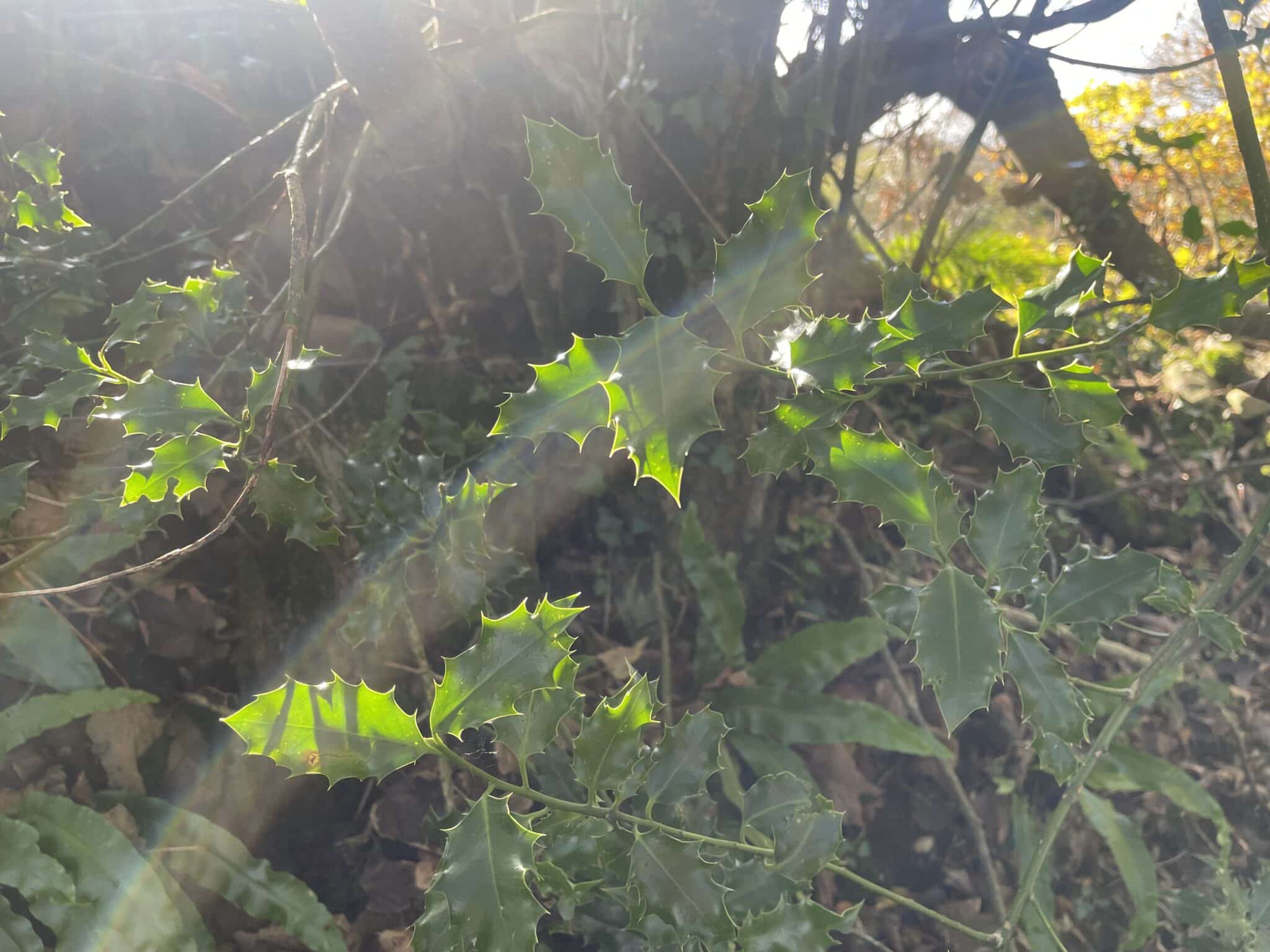
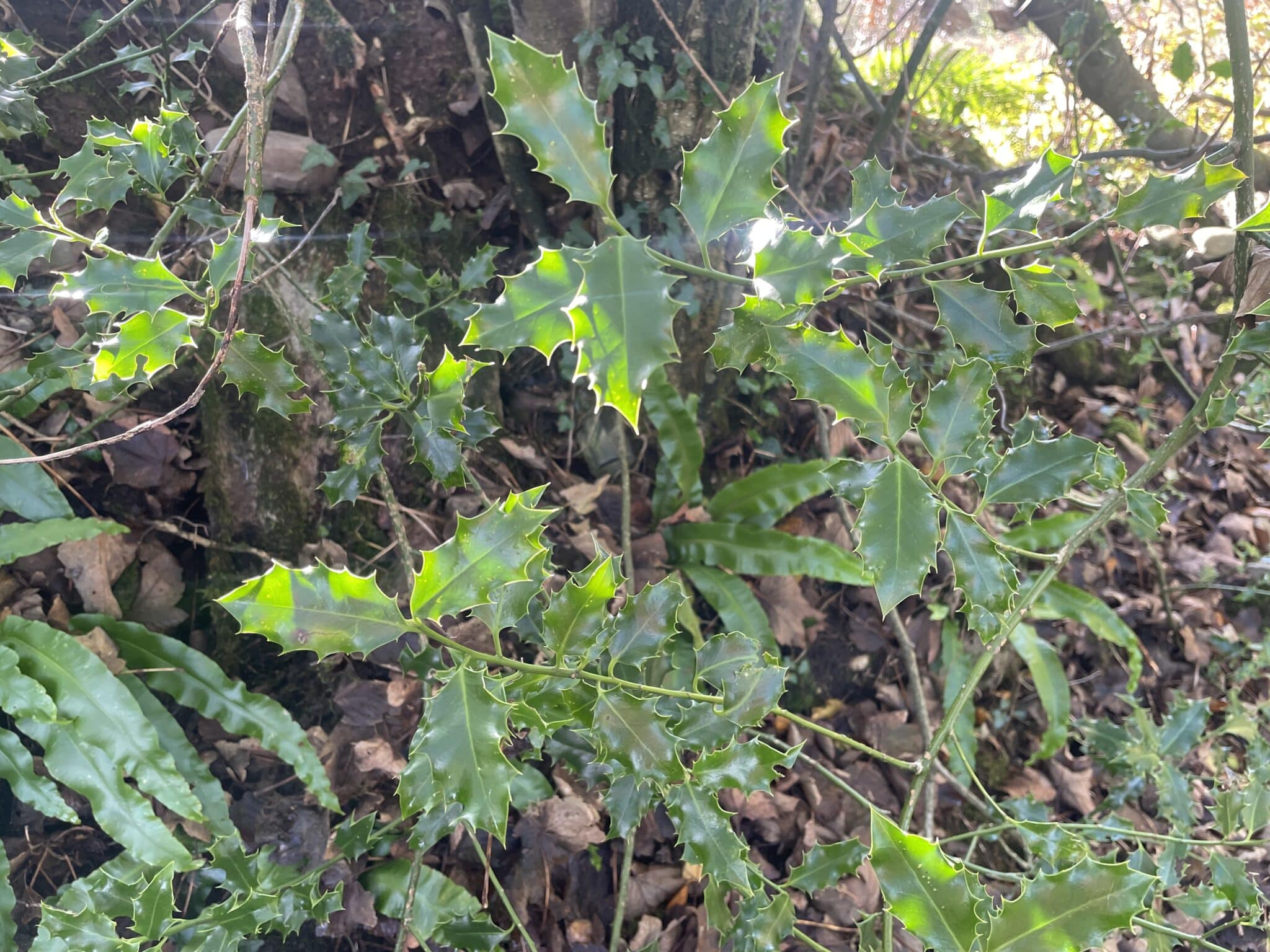
Large glossy, waxy evergreen leaves attached to the stem in spirals. Leaves 5-10cm long. Lower leaves have wavy and very sharply spiky margins. Leaves without grazing pressure often lack spines, but retain the slight waves on the margins.
Leaves distinctly more waxy on upper surface than lower one.
Bark light grey and finely fissured at most. Often remarkably smooth bark.
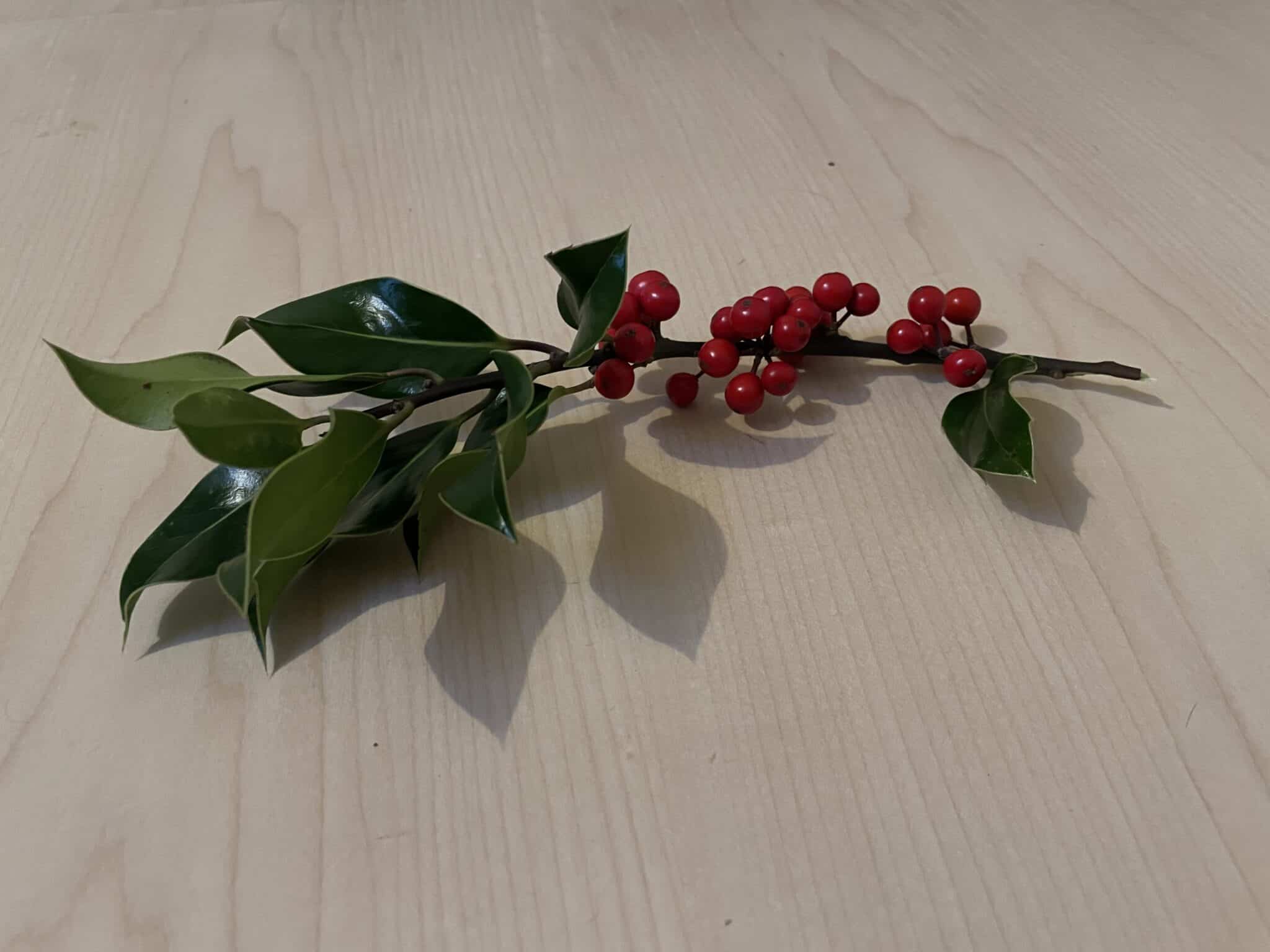
Trees are predominately dioecious, either male or female. Female species have often copious bright red hard round berries 6-10mm - up to clusters of 60 per twig.
Flowers up to 6mm across, white, and 4 petals fused at the base with 4 stamen - these are only fertile in female flowers.
Confusion Species:
Highclere Holly, Ilex x altaclerensis a hybrid of the holly, and the Maderian Holly Ilex perado widely planted in churches and naturalised and recrossed again many times with Holly. Making full ID challenging. The leaves are predominantly spineless or almost spineless.
Uses:
Very dense timber. Used in Bushcraft for bearing blocks for friction fire.
It is a very white wood and has been used for carving.
Traditionally used as the whip for driving a hearse, as it was said to be linked ot the devil and had power over horses.
Did you know?
If the leaves have not been damaged or cut for a prolonged period, they will start to grow rounded rather than spiky this is an example of epigenetics.
Holly's can create a holly wood of their own when one gets a foot hold in heathland. The shed leaves enrich the soils creating more habitat for holly trees. This can create an almost perfect circle of holly woodland. Known as Ringwood. The Ringwood in The New Forest is named after this phenomena.
Very few insects predate holly leaves. The Holly Leaf Miner has specialised in this. Creating distinctive pale blotches in the leaves. You can sometimes spot where the Bluetit has pecked into the leaf to remove the insect. Leaving a V shaped tear in the leaf.
Many birds eat the holly berries over winter, including a number of the winter migrants such as Redwings and Fieldfares. Mistle thrushes will protect a holly bush against intruders.
Its not just the birds, many rodents including dormice use the holly berries as an important food source over winter.