Common Yew
Taxus baccata
Edible Parts:
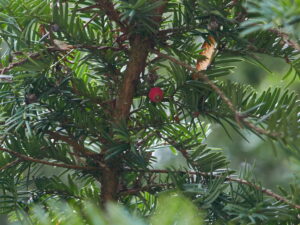
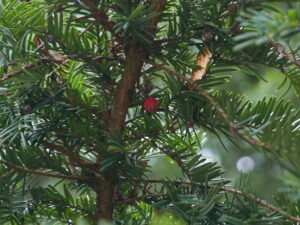
Red Fleshy Arils - Enclosed seed is highly toxic
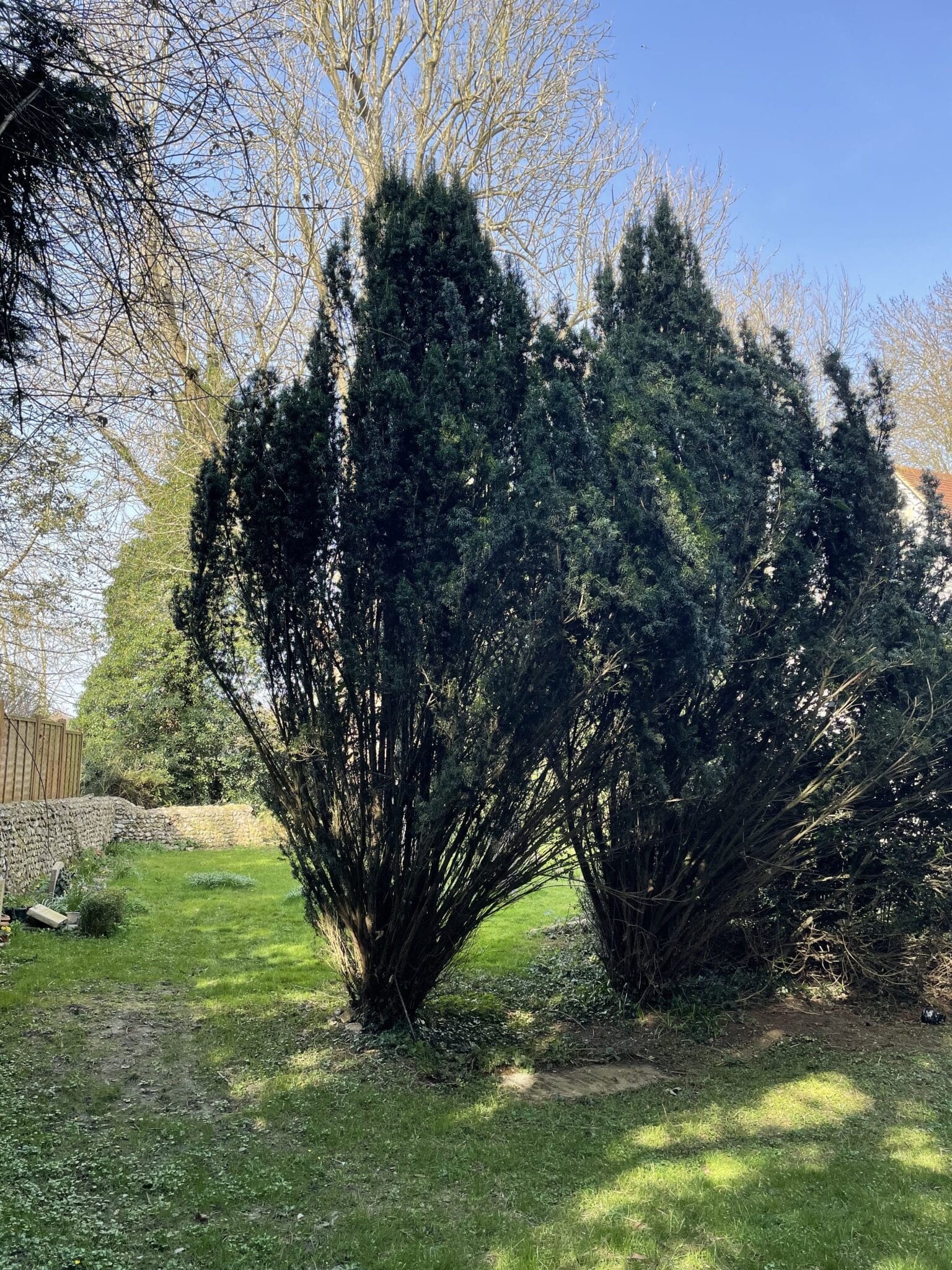
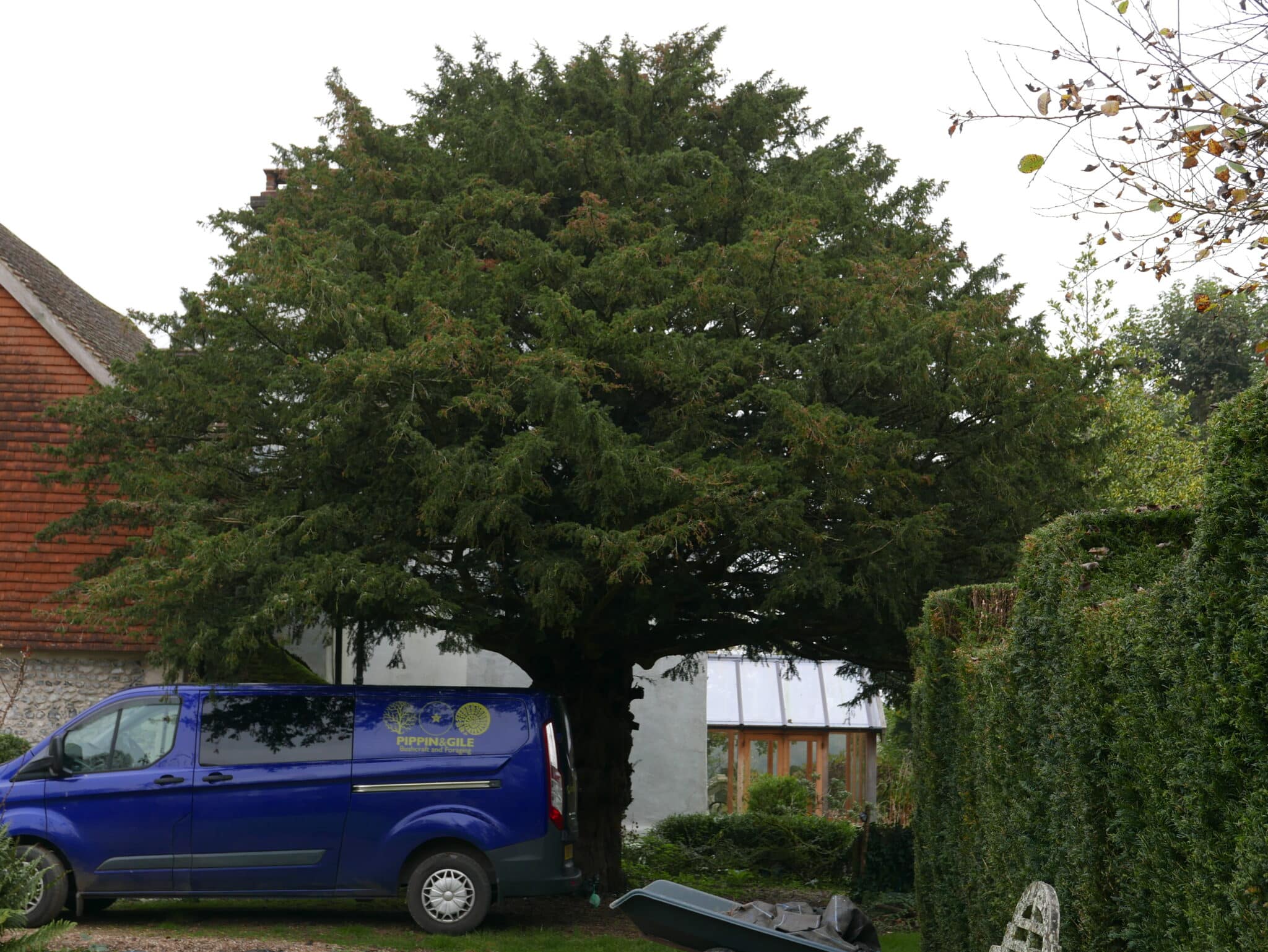
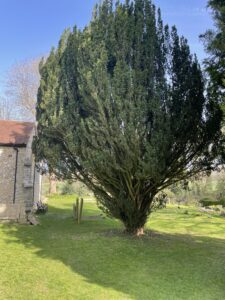
Height: 25m
Habitat: Widespread across Europe, NW Africa and SW Asia, prefers drier lime rich soils.
Family:
Taxaceae (Yew)
Harvesting Seasons:
Late Autumn - Winter
Common yew
Taxus baccata
Edible Parts: Red Fleshy Arils - Enclosed seed is highly toxic
Height: up to 25m
Habitat:
Widespread across Europe, NW Africa and SW Asia, prefers drier lime rich soils.
Family:
Taxaceae (Yew)
Harvesting Seasons: Late Autumn - Winter
ID features:
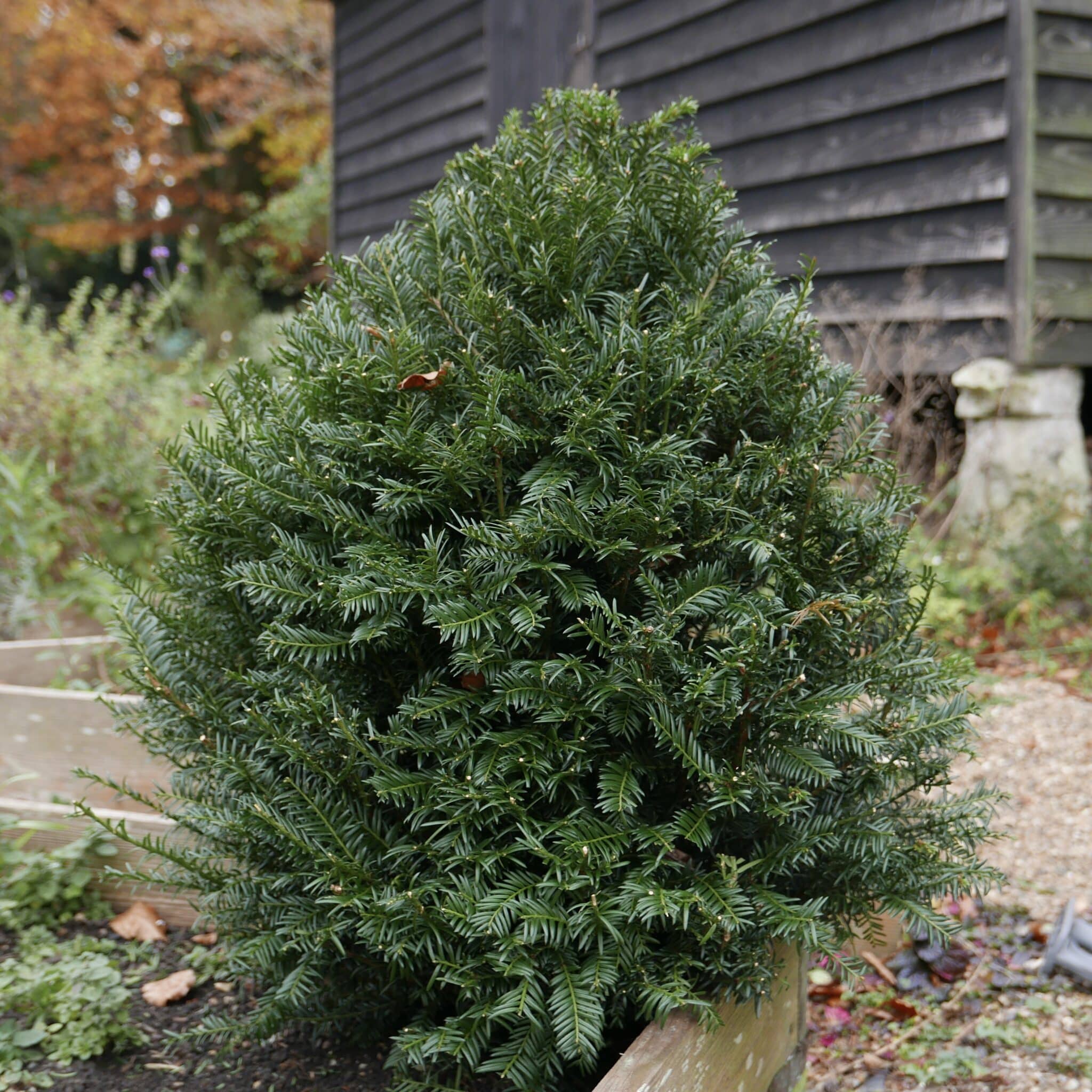
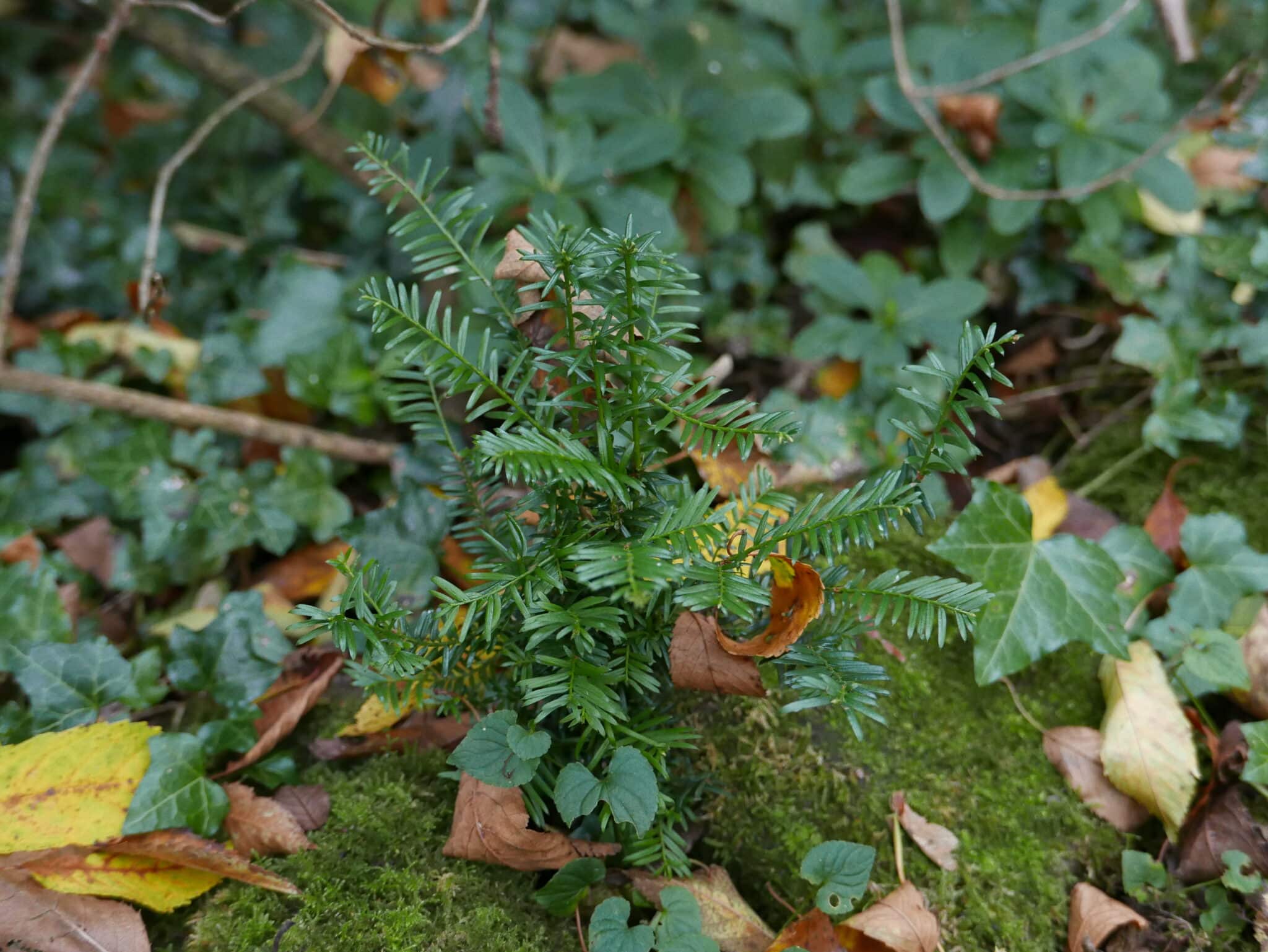
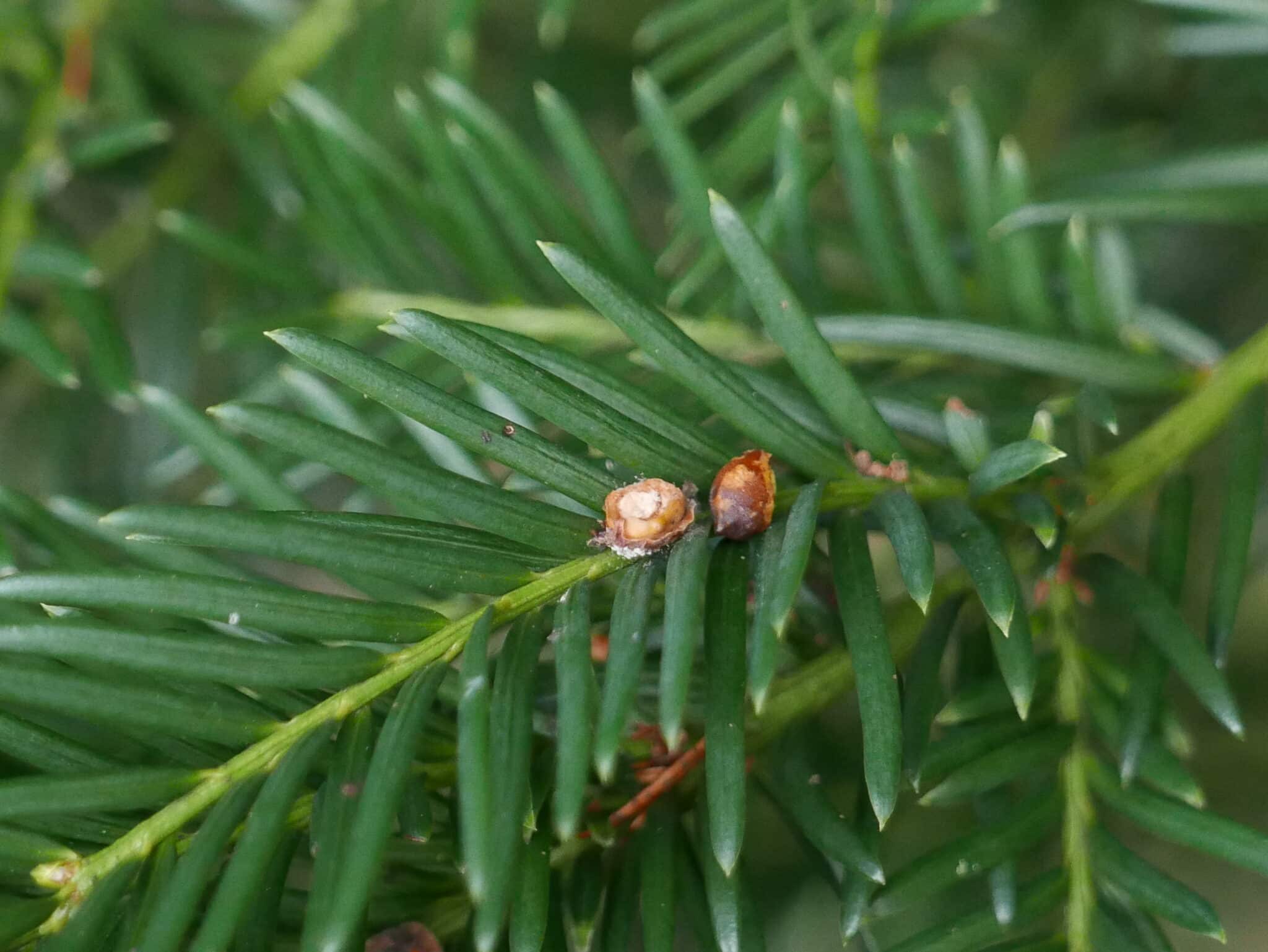
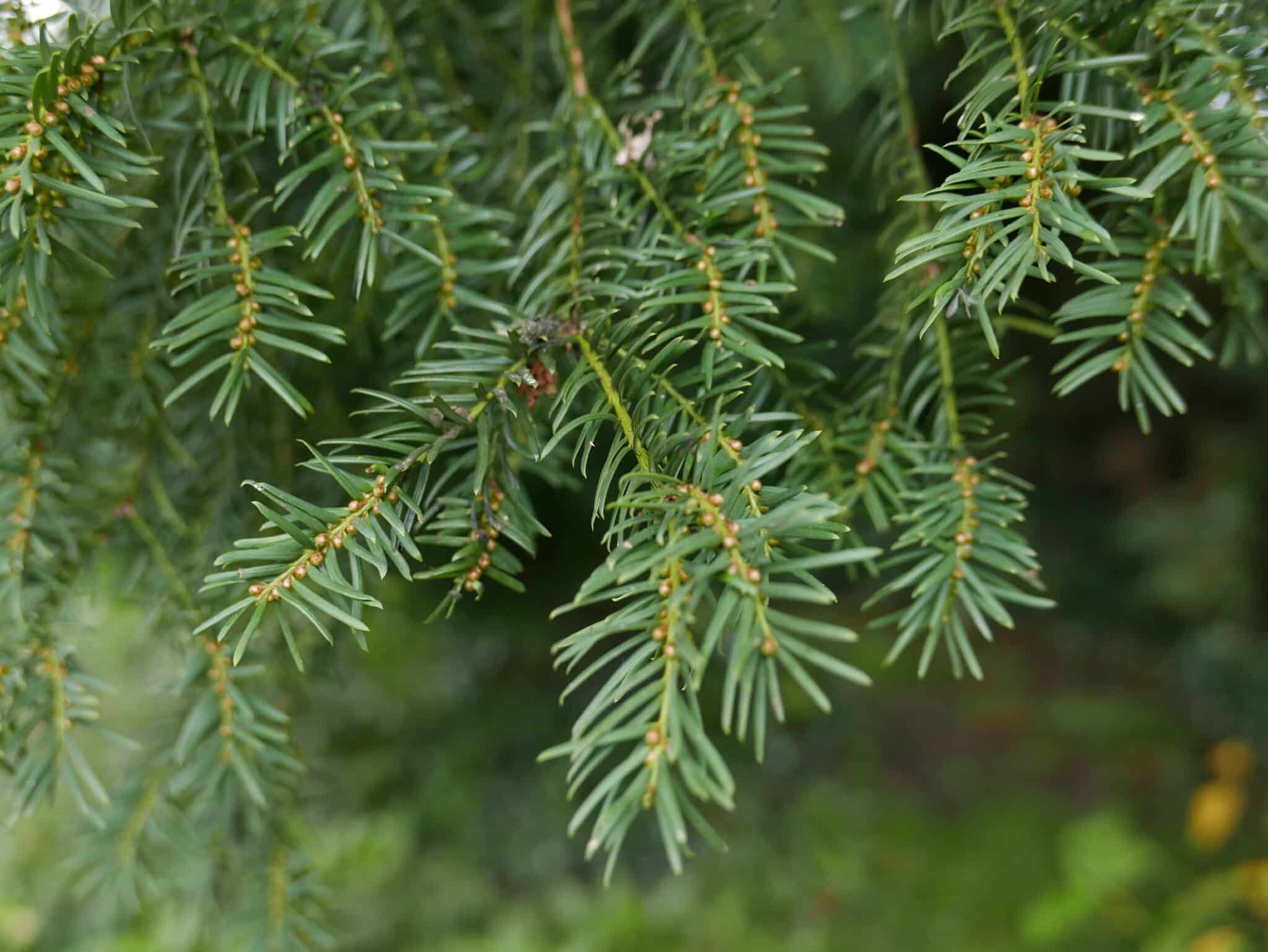
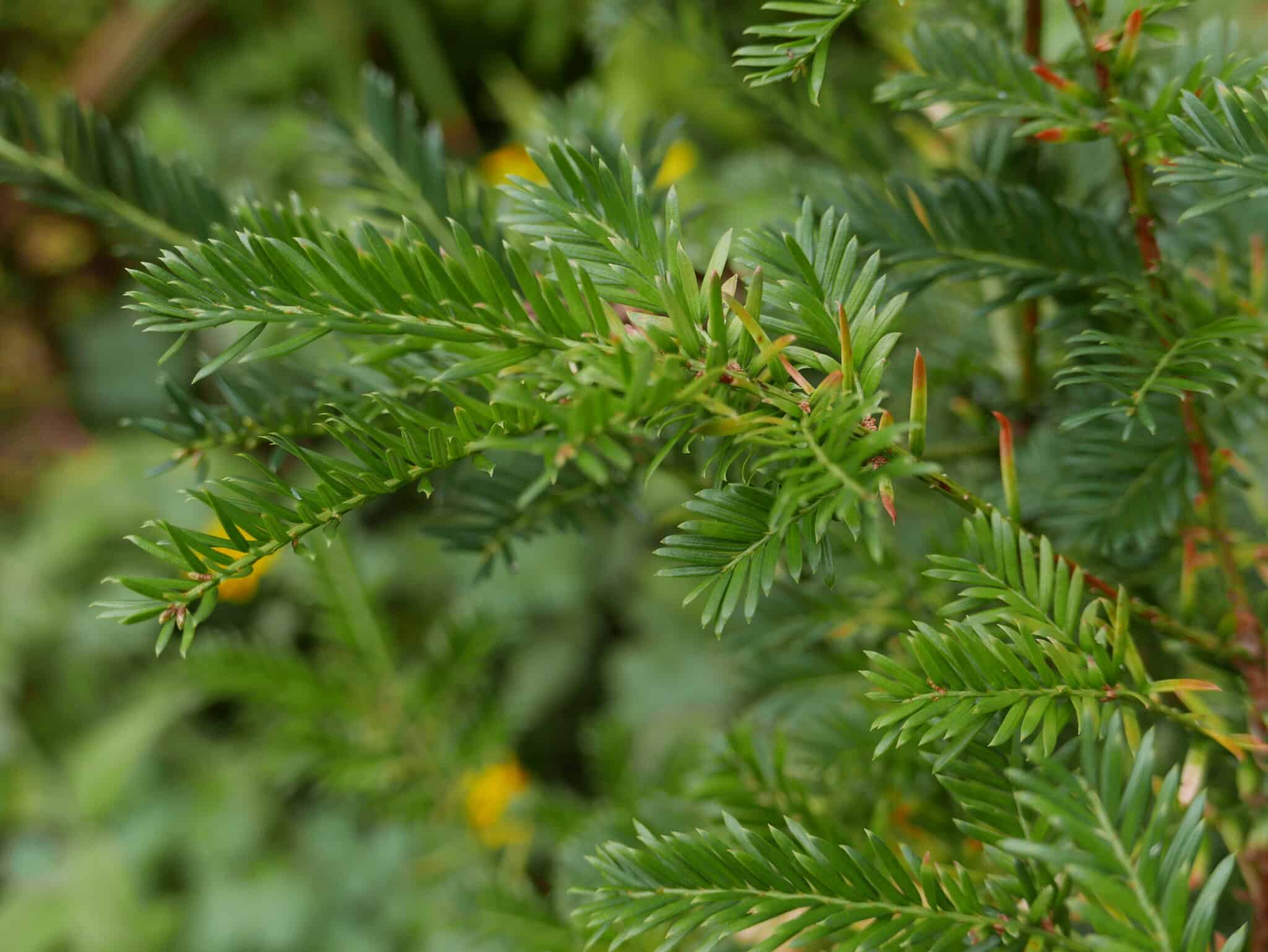
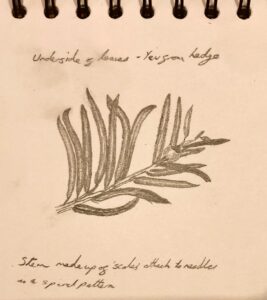
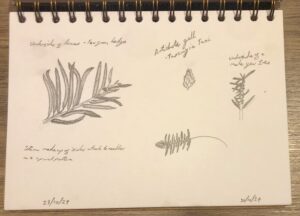
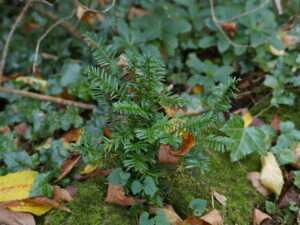
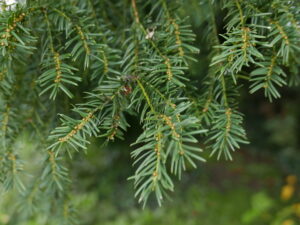
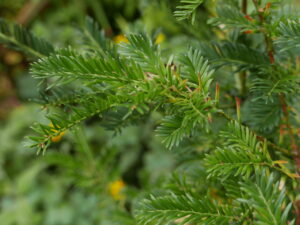
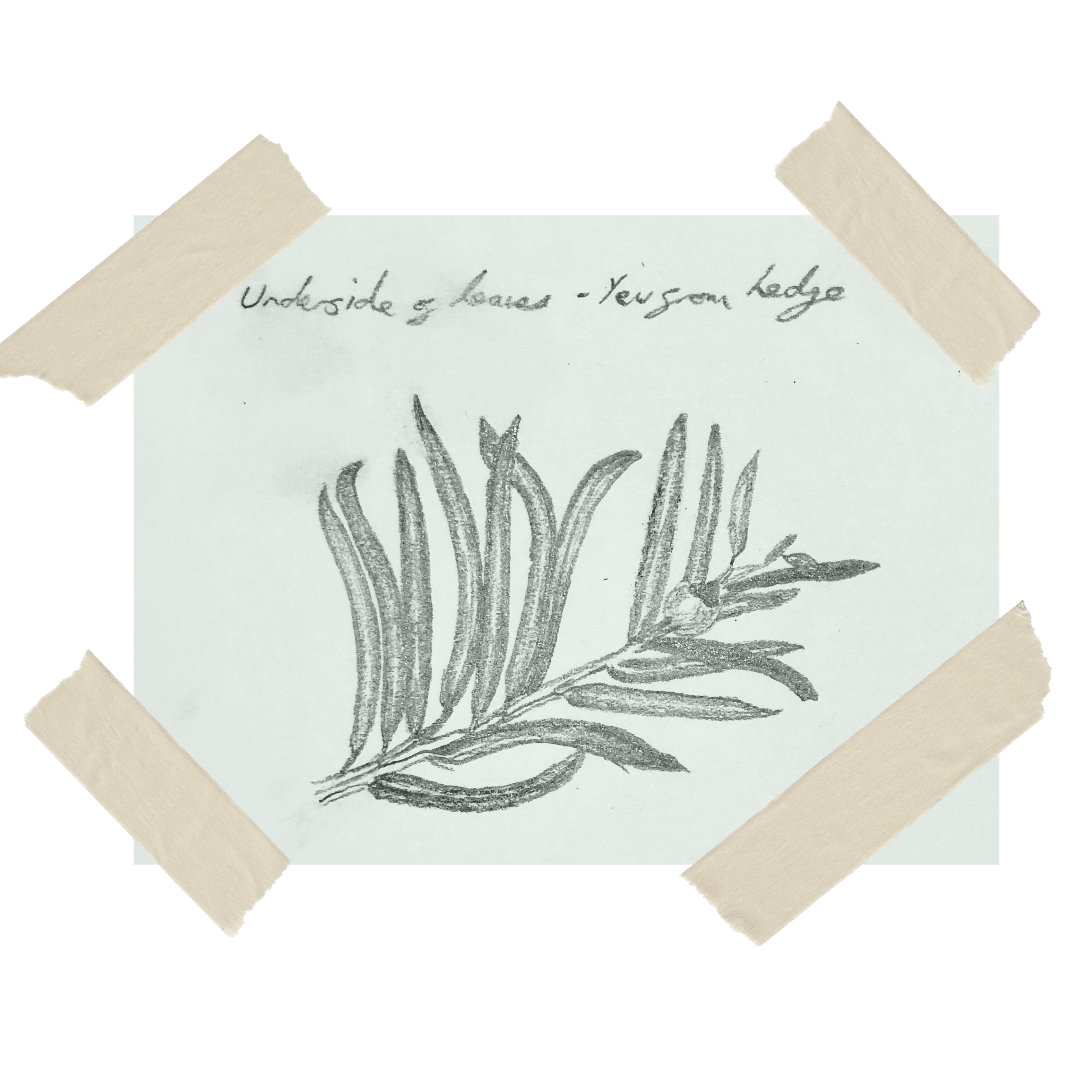
Leaves attached to the stem in spirals via scale attaching leaf to stem. Leaves up to 4cm long and 3mm wide, with a sharp point at the tip. Leaves have a dark glossy top surface, and paler underside, underside has two pale bands separated by a dark vein.
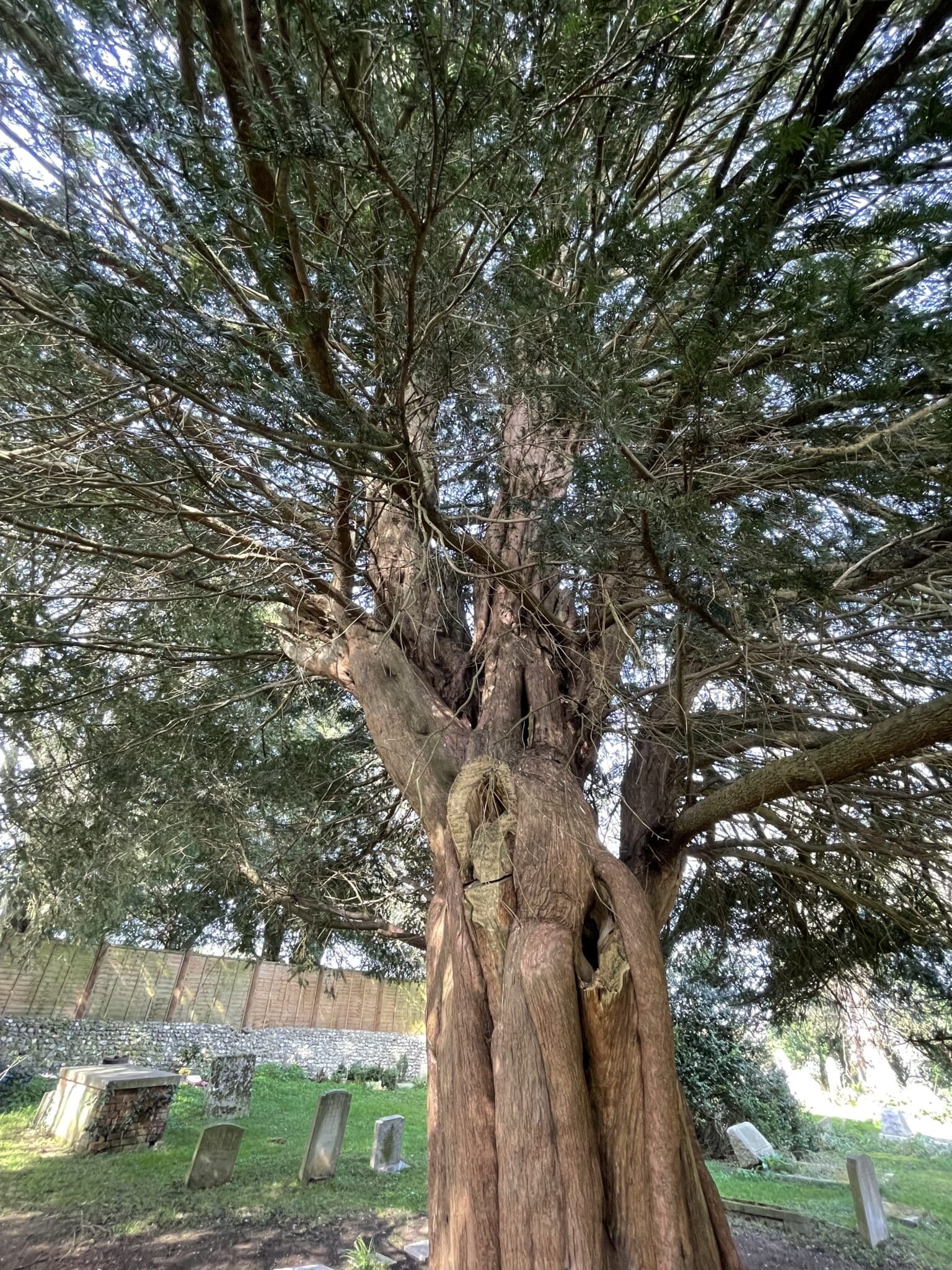
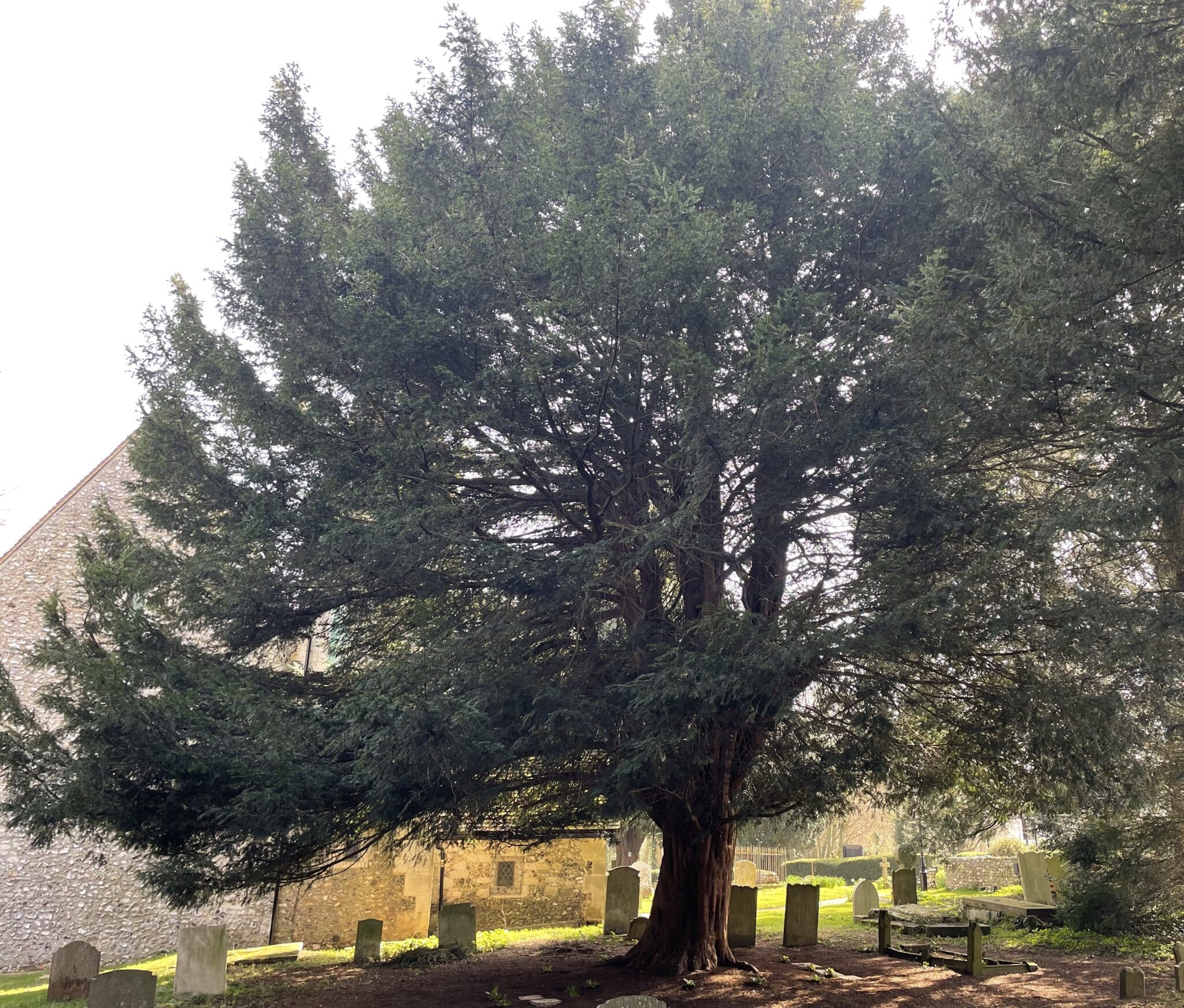
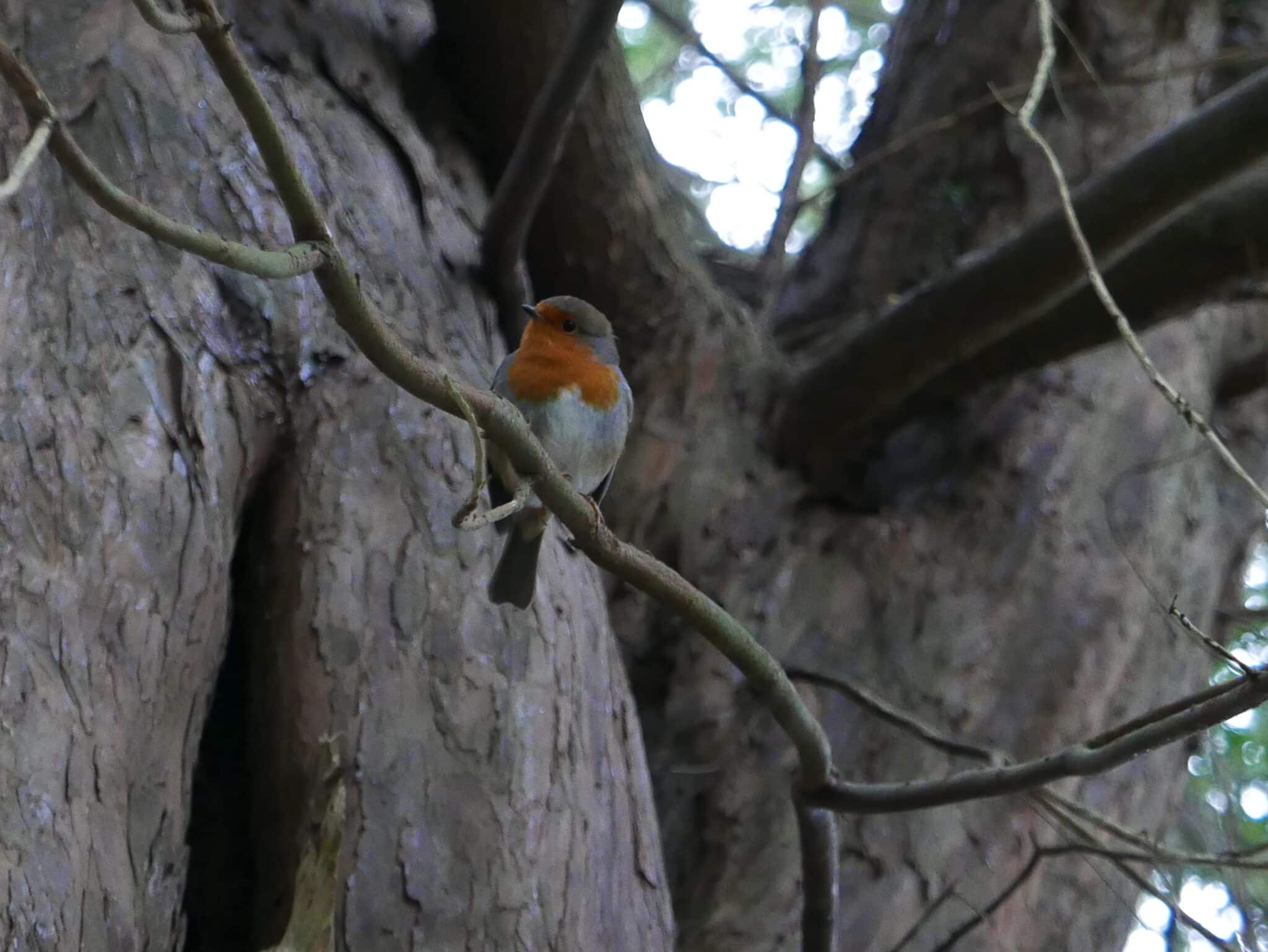
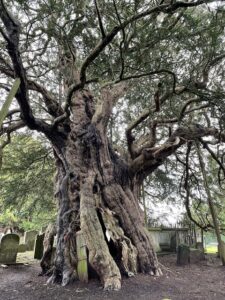
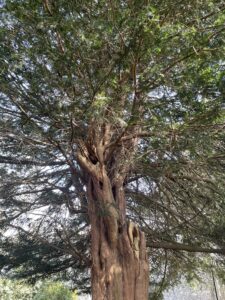
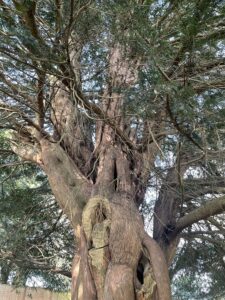
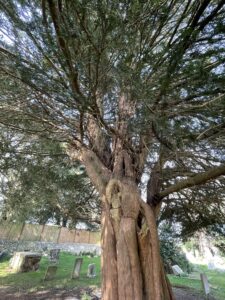
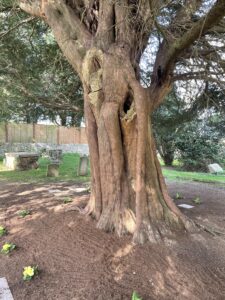
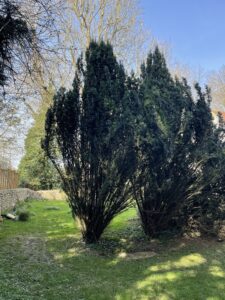
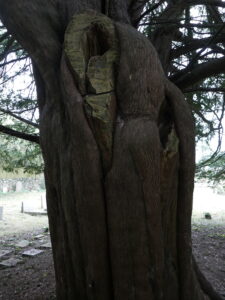
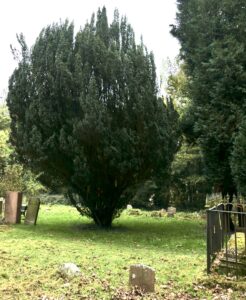
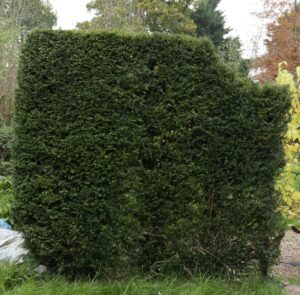
Trunks often fluted, and can appear to be fused multi-trunked. Bark reddish brown, flaking off in patches, revealing darker bark underneath.
Trees are dioecious, either male or female. Female species bear red fleshly arils with a single seed from October - Early Spring.
Confusion Species:
Mainly Chilean Plum Yew - Prumnopitys andina - only when not in flower - needles only 2.5cm long and blueish in appearance.
Uses:
Very dense, though toxic, timber, dust mask advised whilst working. Often used for veneers. Was used to make longbows and tools throughout history.
Did you know:
There is still a disagreement amongst botanists, as to whether Taxus is one species with many subspecies of Taxus baccata or many species.
The ripe red arils (similar to a berry) are the only non toxic part of the yew tree, they are still toxic when green & unripe. The aril has a sweet tasting, very slimy pulp, inside a delicate skin. For the texture of the pulp, think the slime on your hands after picking up a slug!
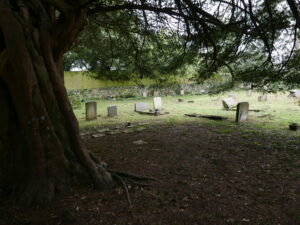
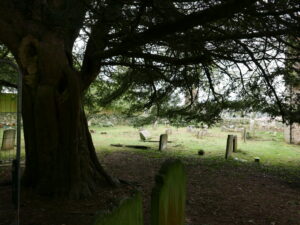
Britain has the largest number of old and ancient yews in Western Europe and many of them are found in churchyards, though agreement as to why this is has yet to be reached.
Some of the poisons found in yew trees are used in cancer treatments.