Common Sorrel

Common Sorrel
Rumex acetosa

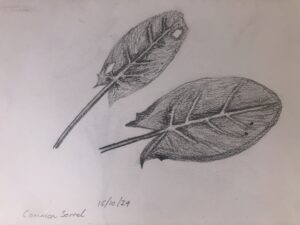
Sketched Common Sorrel

Edible Parts: Leaves
Height: 30-80cm
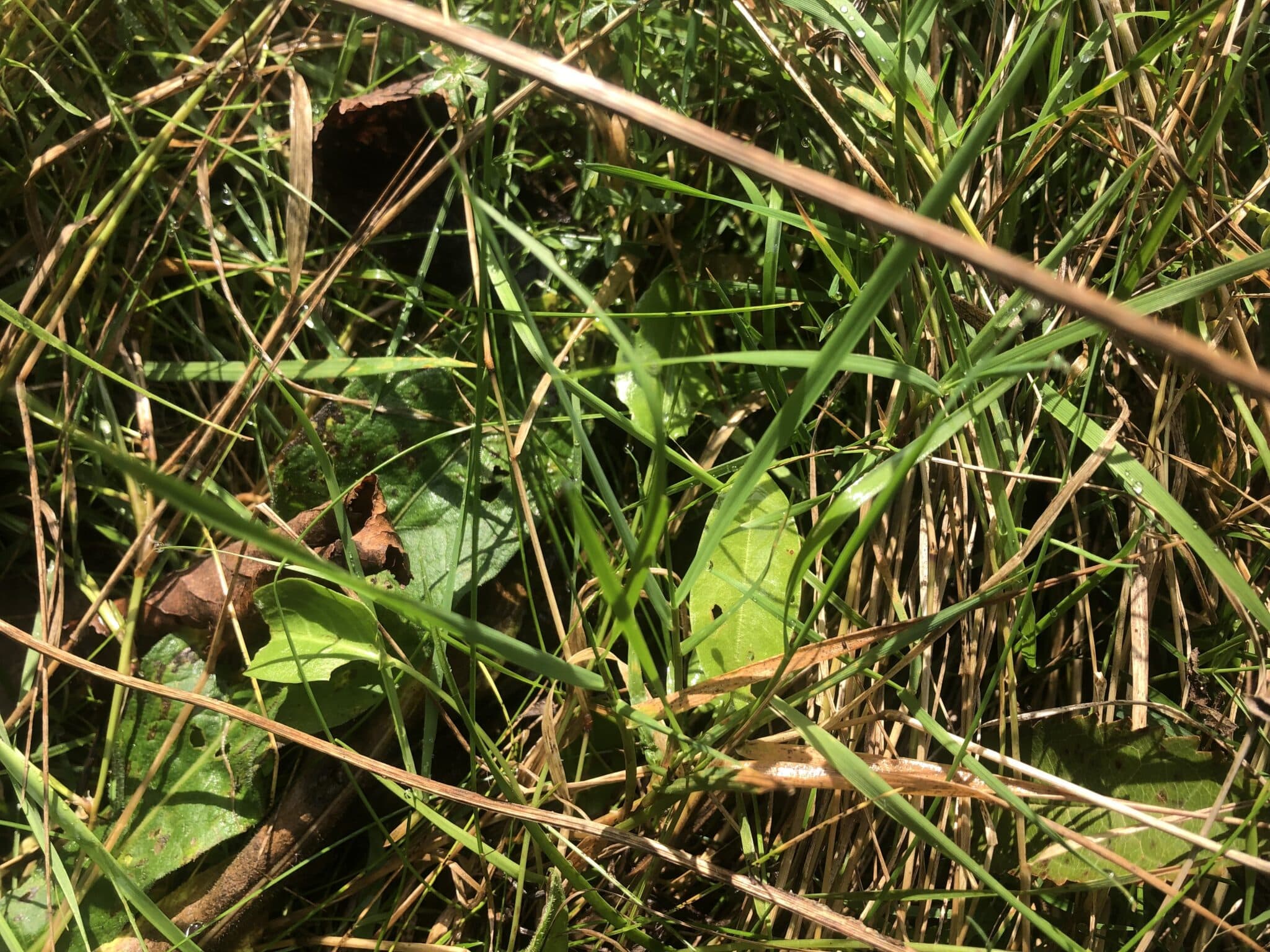
Habitat: Wide ranging, meadows, banks, woodland edges, grassland including lawns.
Family: Polygonaceae (Dock)
Seasons: Early - Late Spring & Autumn - Early Winter

Sorrel is a wonderful wild herb, its high levels of oxalic acid give it a sharp apple/lemon flavour that really packs a punch. Although sharing a name with wood sorrel, they are not related other than via their flavour.

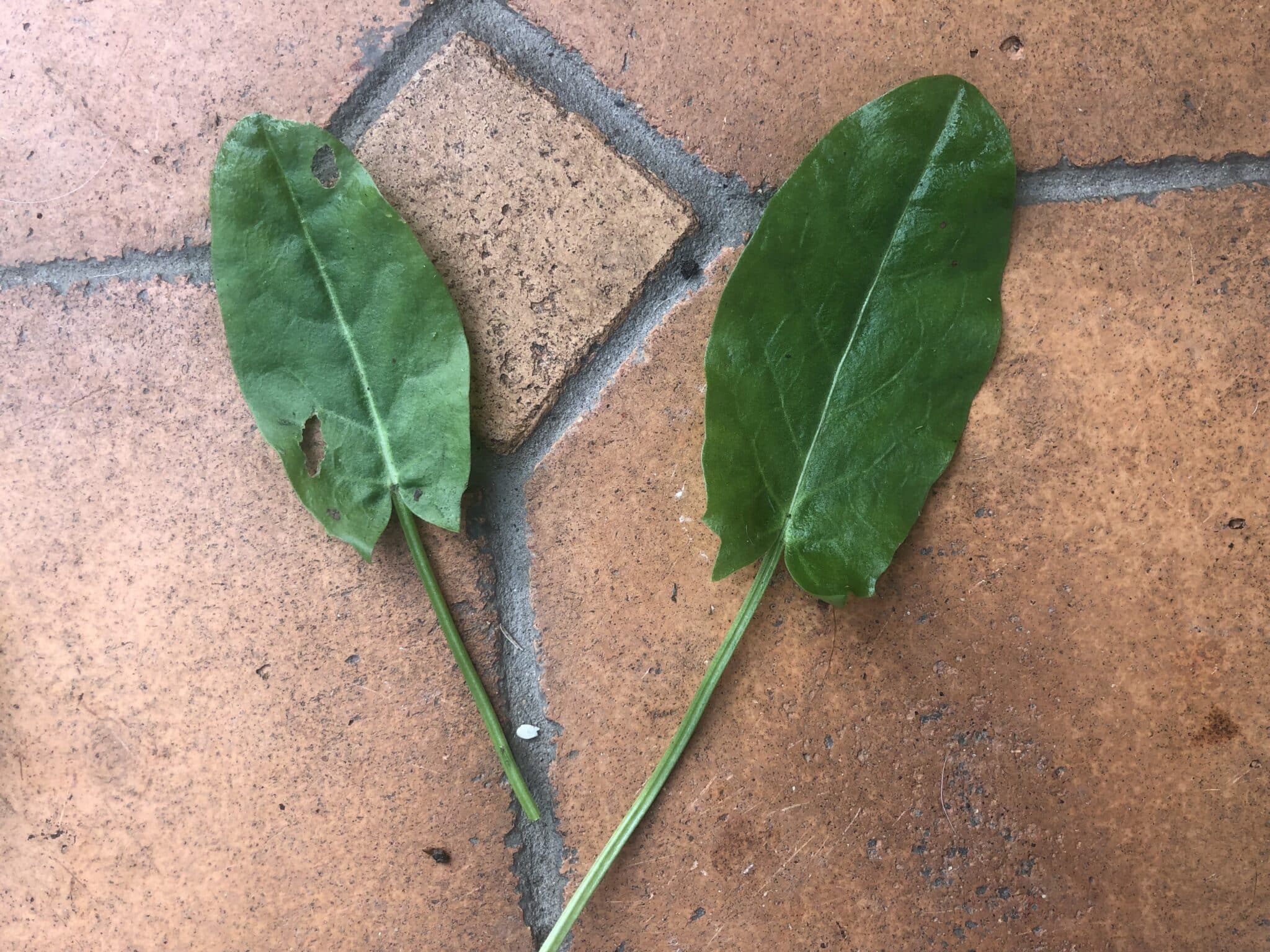
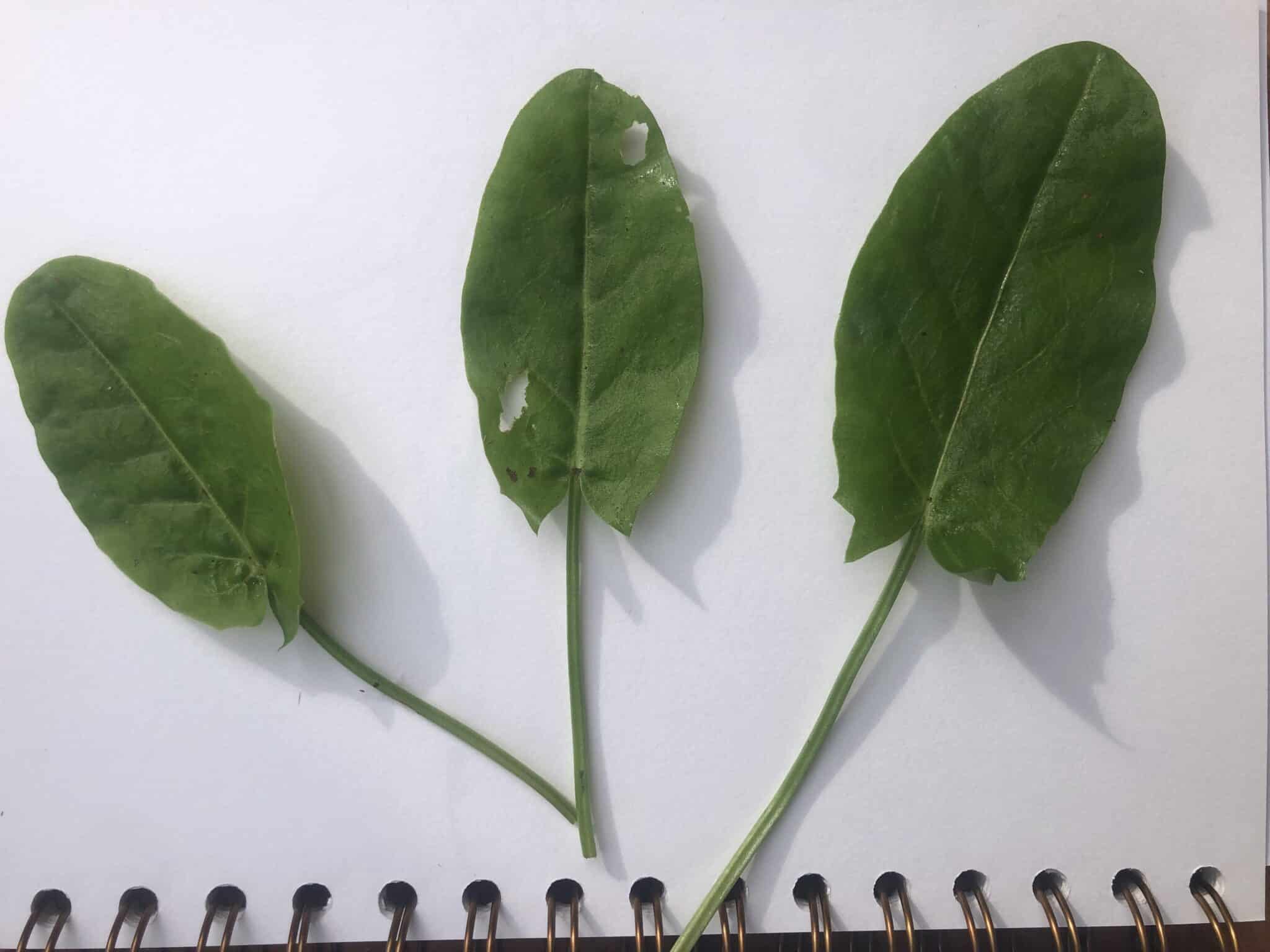
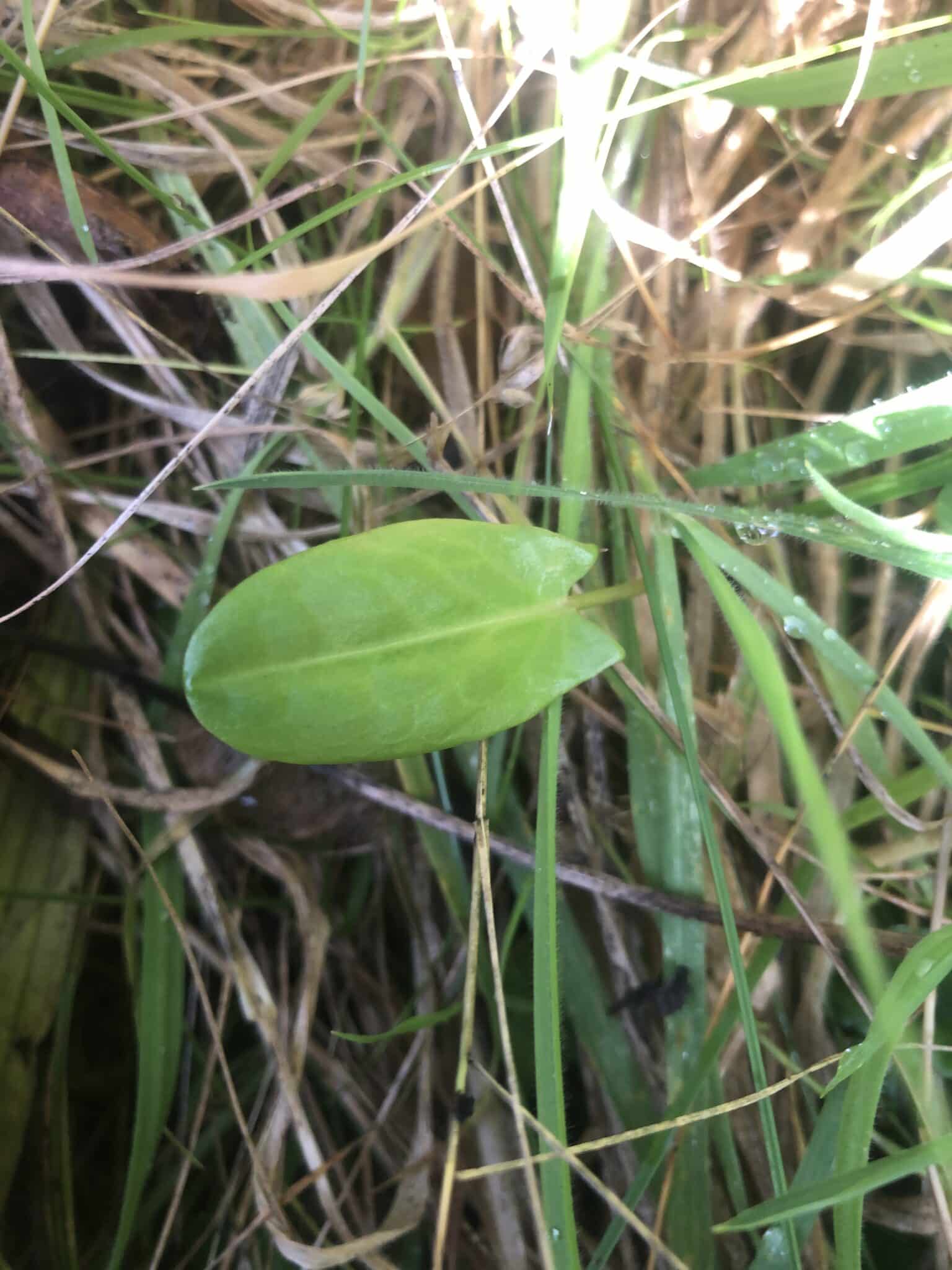
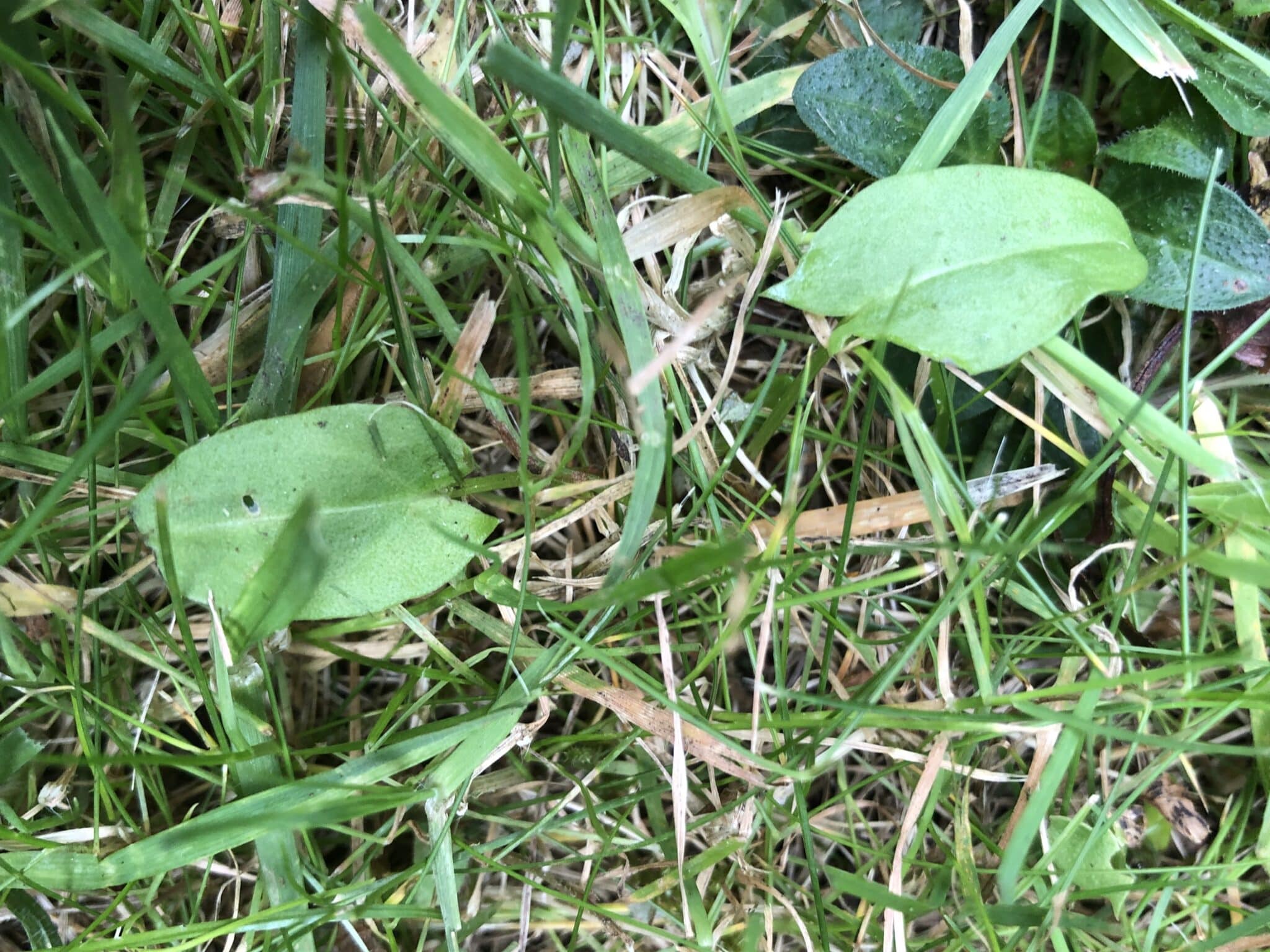
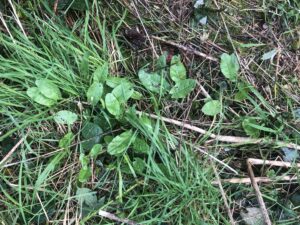
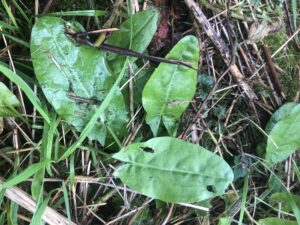
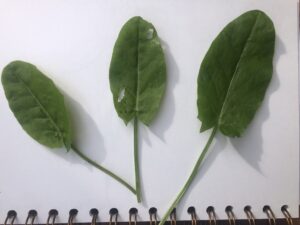
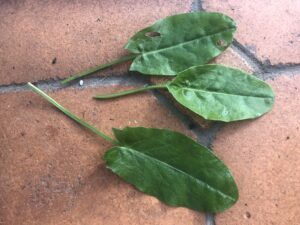
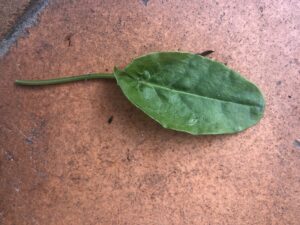
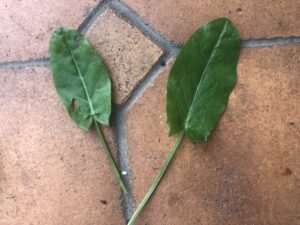
Sorrel has a rosette of basal leaves (those which grow from the ground), these are spear shaped with two sharply pointing, backward lobes. The leaf stems have a distinct gutter grove, which channels the water down to the tap root. On smaller leaves this is often more easily felt with a finger nail than seen. The leaves on the flowering spike are stemless and ‘wrap’ their backwards pointing lobes around the flowering stem.

The leaves grow in a circle out of the tap root, the stems coming out in a disk like a dandelion. This is called a basal rosette. Given the length of the stems and their preference for edge habits with long grass this detail is easily overlooked. The leaves vary in size from 3cm - 15cm, this is dependant on a variety of factors, including time of year and habitat.

The plant is perennial - meaning it will grow year on year.

Basal leaves can be found from early spring, though to late spring. At which point the energy goes into the flowering spike, the leaves along this are smaller and don’t taste as pleasant, and the basal leaves die off. Mid autumn sees a resurgence of basal leaves, growing from September onwards these will increase in size until the temperature drops too low but will often over winter.

The flowering spike has reddish or yellowish flowers, and the left over seed heads can be a good indicator of where to look for fresh young growth the following year.

A member of the dock family, like most of the docks it has a robust leaf, that doesn’t wilt too much when cooked. Docks can easily be spotted in the summer on parched lawns as their tap roots enable them to stay green when many of the other plants and grasses are fading to brown.

Don’t cook sorrel or the other docks in aluminium pans however, as this can cause toxic salts to be produced through a chemical reaction between the oxalic acid and the metal. Avoid eating if you have kidney stones. Blanching sorrel leaves & disposing of the water will reduce the acidity of the plant.

ID features:
  • Gutter grove down the stem
  • Pointy tips to the leaves which remind me of coat tails from a tux.

  • Confusion Species:

    In Early spring it can be confused for the deadly Lords and Ladies. Lords & Ladies backwards pointing lobes are rounded not sharply pointed & the vein patteration on lords and ladies is clearer & has a distinct line about 1-3mm off the edge of the leaf.


    Uses:
  • Can be used instead of cultivated sorrel, be aware it will have a stronger favour than its cultivated cousin so less is needed.
  • I often shred it over salads in place of a dressing. I will be wrapping fish in sorrel leaves next time I go to the fish mongers, and have used it in a chicken & sorrel rossitto to good effect. The colour and texture of the leaves diminishes with cooking, and often turn brown, so not one for winning prizes for presentation, but what it lacks in presentation it will make up for in taste.
  • Its prevalence and robustness through the colder months & early spring growth means it has a long history as a valued winter green. It would have been cultivated in gardens up until the 17th century.
  • Sorrel produced a really lovely flavour when added to vodka as one of the range of wild botanicals we created to flavour gin on our Wild Alcohol & Foraging Course

  • Did you know:
  • The name sorrel is derived from ‘sur’ for ‘sour’, though whether this is Anglo-Saxon in origin or French seems to be up for some debate in the literature.
  • Sorrel was used as a substitute for apples in tarts & turnovers in the North of England when fruit wasn’t available.
  • John Evelyn writes about sorrel in a salad in 1699: “sorrel sharpens the appetite… which renders not plants & herbs only, but men themselves pleasant and agreeable.”
  • Common sorrel
    Rumex acetosa

    Sketched Common Sorrel

    Edible Parts: Leaves

    Height: 30-80cm Leaves up to 30cm tall, and flowering spike up to 80cm.

    Habitat: Wide ranging, meadows, banks, woodland edges, grassland including lawns.

    Family: Polygonaceae (Dock)

    Harvesting Seasons: Spring and autumn. Summer it goes to seed - & leaves all die back. Mild autumns they regrow and produce good crops until it gets too cold.

    Sorrel is a wonderful wild herb, its high levels of oxalic acid give it a sharp apple/lemon flavour that really packs a punch. Although sharing a name with wood sorrel, they are not related other than via their flavour.

    Sorrel has a rosette of basal leaves (those which grow from the ground), these are spear shaped with two sharply pointing, backward lobes. The leaf stems have a distinct gutter grove, which channels the water down to the tap root. On smaller leaves this is often more easily felt with a finger nail than seen. The leaves on the flowering spike are stemless and ‘wrap’ their backwards pointing lobes around the flowering stem.

    The leaves grow in a circle out of the tap root, the stems coming out in a disk like a dandelion. This is called a basal rosette. Given the length of the stems and their preference for edge habits with long grass this detail is easily overlooked. The leaves vary in size from 3cm - 15cm, this is dependant on a variety of factors, including time of year and habitat.

    The plant is perennial - meaning it will grow year on year.

    Basal leaves can be found from early spring, though to late spring. At which point the energy goes into the flowering spike, the leaves along this are smaller and don’t taste as pleasant, and the basal leaves die off. Mid autumn sees a resurgence of basal leaves, growing from September onwards these will increase in size until the temperature drops too low but will often over winter.

    The flowering spike has reddish or yellowish flowers, and the left over seed heads can be a good indicator of where to look for fresh young growth the following year.

    A member of the dock family, like most of the docks it has a robust leaf, that doesn’t wilt too much when cooked. Docks can easily be spotted in the summer on parched lawns as their tap roots enable them to stay green when many of the other plants and grasses are fading to brown.

    Don’t cook sorrel or the other docks in aluminium pans however, as this can cause toxic salts to be produced through a chemical reaction between the oxalic acid and the metal. Avoid eating if you have kidney stones. Blanching sorrel leaves & disposing of the water will reduce the acidity of the plant.

    ID features:
  • Gutter grove down the stem
  • Pointy tips to the leaves which remind me of coat tails from a tux.

  • Confusion Species:

    In Early spring it can be confused for the deadly Lords and Ladies. Lords & Ladies backwards pointing lobes are rounded not sharply pointed & the vein patteration on lords and ladies is clearer & has a distinct line about 1-3mm off the edge of the leaf.


    Uses:
  • Can be used instead of cultivated sorrel, be aware it will have a stronger favour than its cultivated cousin so less is needed.
  • I often shred it over salads in place of a dressing. I will be wrapping fish in sorrel leaves next time I go to the fish mongers, and have used it in a chicken & sorrel rossitto to good effect. The colour and texture of the leaves diminishes with cooking, and often turn brown, so not one for winning prizes for presentation, but what it lacks in presentation it will make up for in taste.
  • Its prevalence and robustness through the colder months & early spring growth means it has a long history as a valued winter green. It would have been cultivated in gardens up until the 17th century.
  • Sorrel produced a really lovely flavour when added to vodka as one of the range of wild botanicals we created to flavour gin on our Wild Alcohol & Foraging Course

  • Did you know:
  • The name sorrel is derived from ‘sur’ for ‘sour’, though whether this is Anglo-Saxon in origin or French seems to be up for some debate in the literature.
  • Sorrel was used as a substitute for apples in tarts & turnovers in the North of England when fruit wasn’t available.
  • John Evelyn writes about sorrel in a salad in 1699: “sorrel sharpens the appetite… which renders not plants & herbs only, but men themselves pleasant and agreeable.”